Students’ Life at MMSID - overview
Student life at MMSID extends beyond the classroom through a wide range of co-curricular and extra-curricular activities. Workshops, guest lectures, site visits, design competitions, exhibitions, and industry interactions provide valuable practical exposure and enhance students’ creative and professional skills.
Students also actively participate in sports, cultural events, annual celebrations, social initiatives, and student-led activities. These experiences encourage teamwork, leadership, communication, confidence, and a sense of community.
Together, these activities create a vibrant and enriching campus life, helping students learn, explore, collaborate, and grow beyond academics.
Induction Program - Design
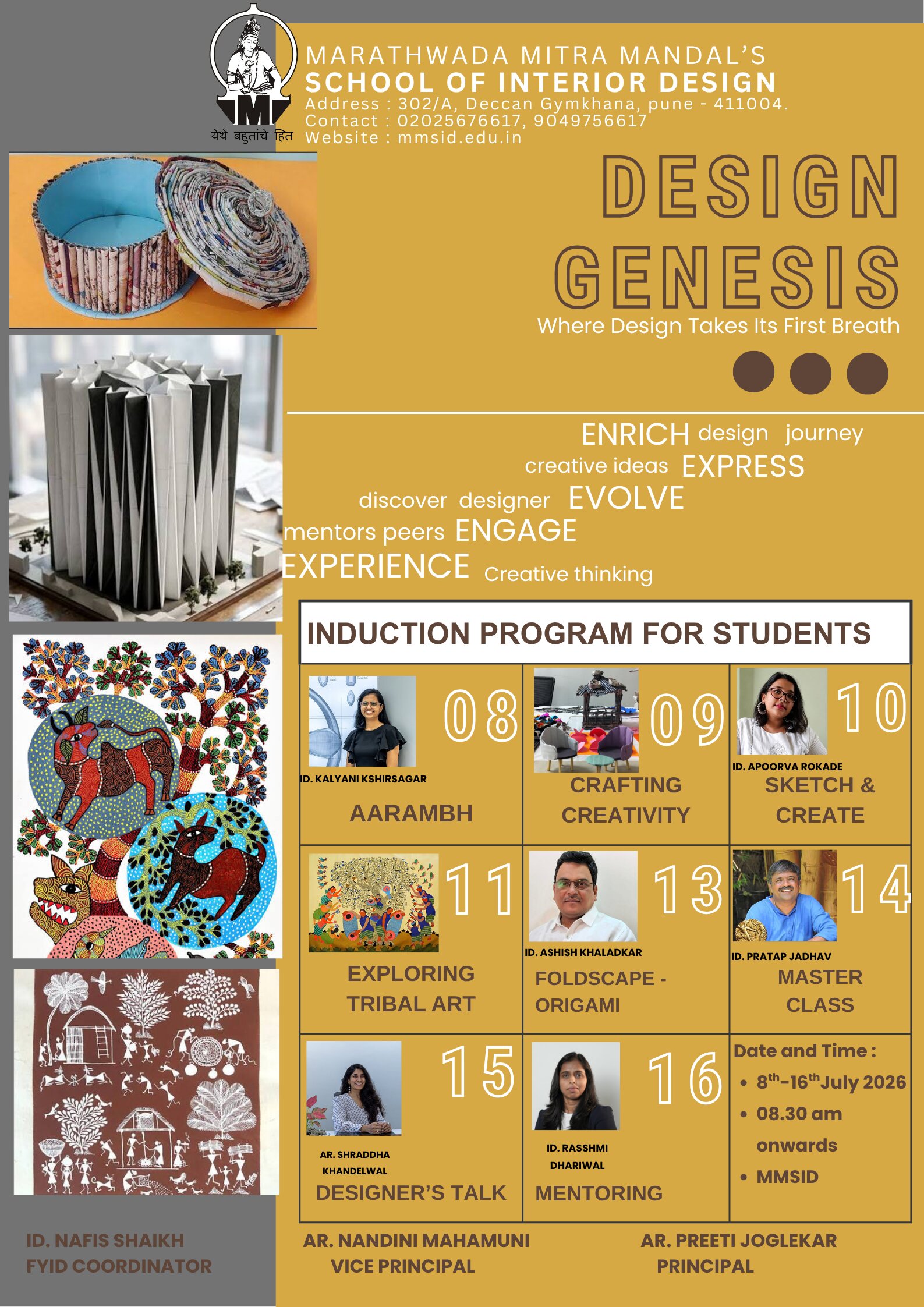
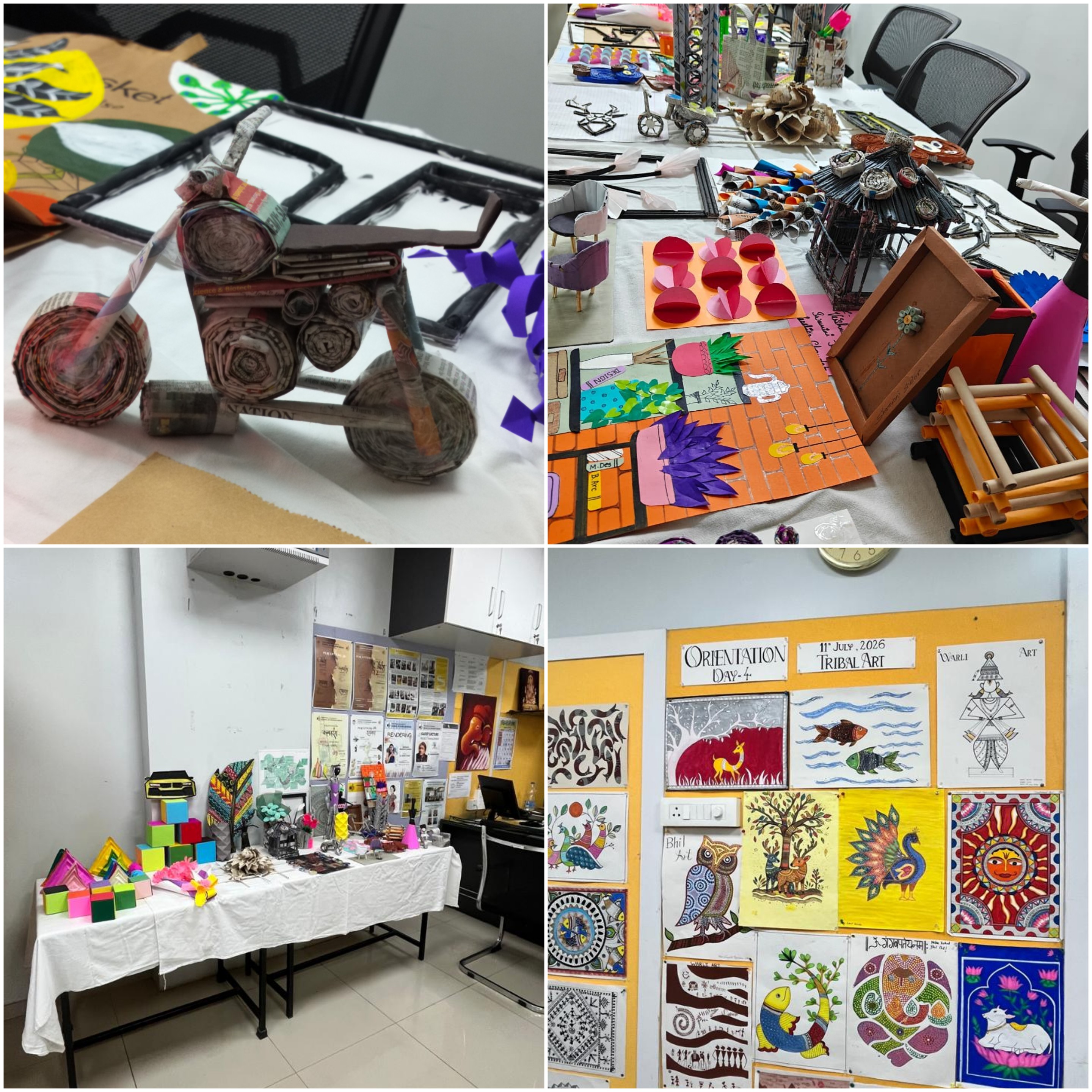
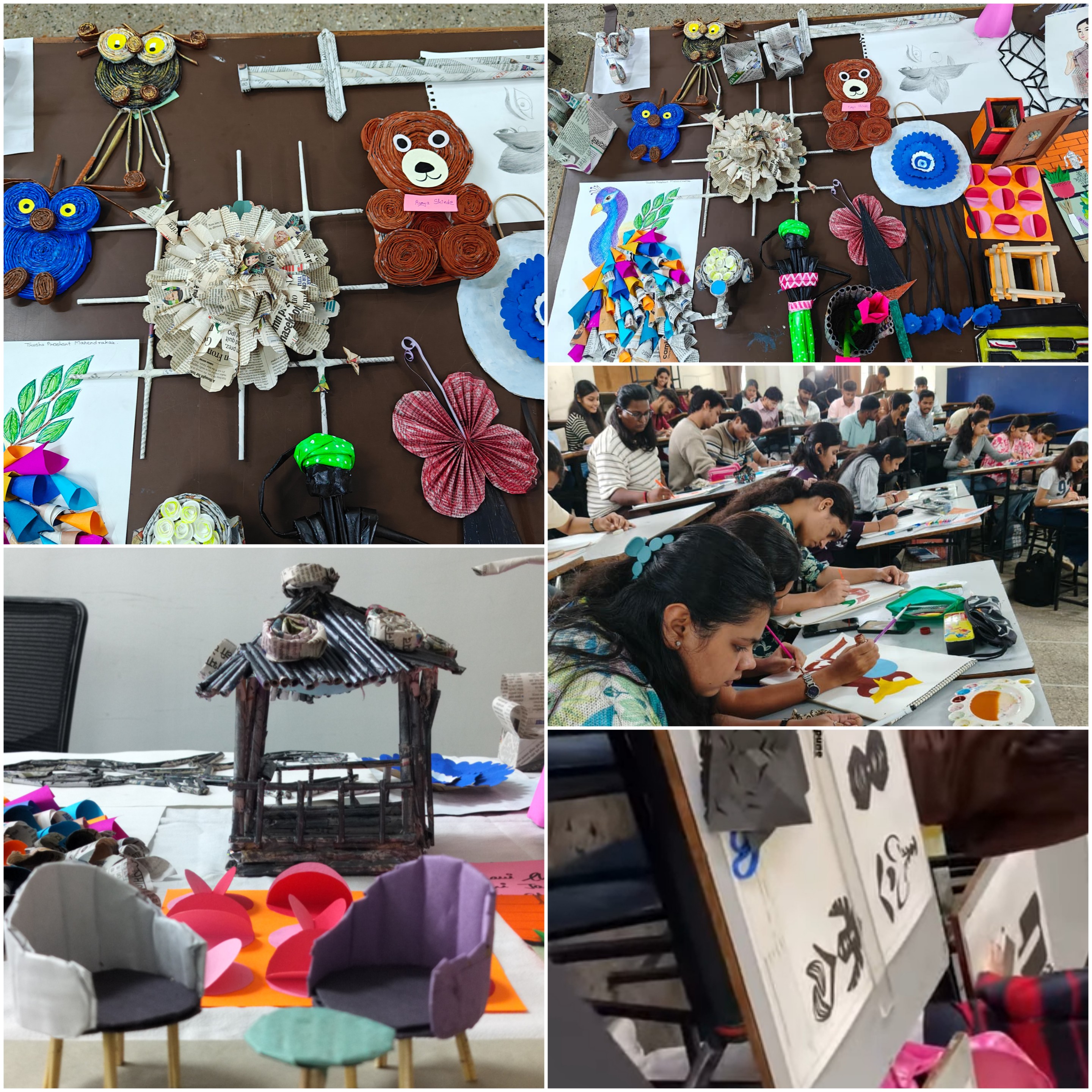
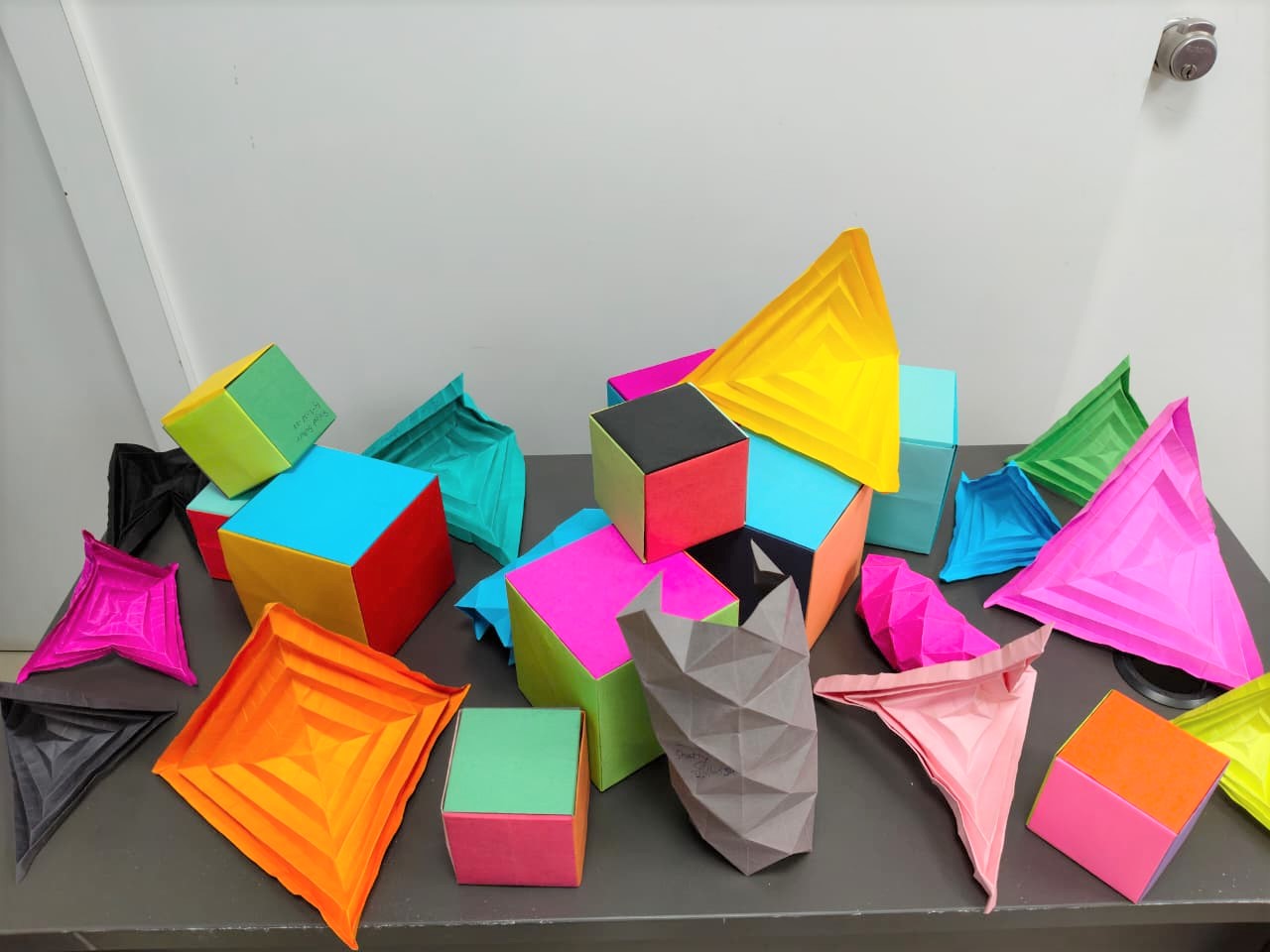
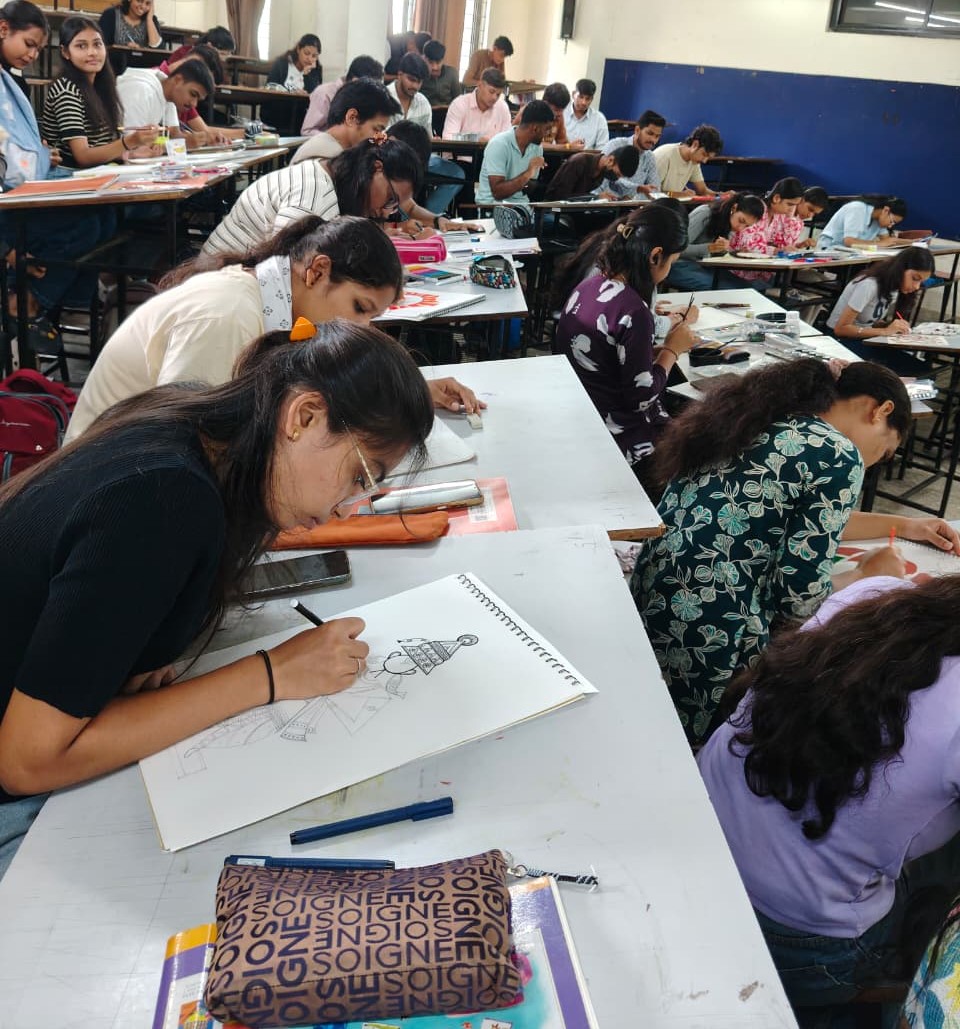
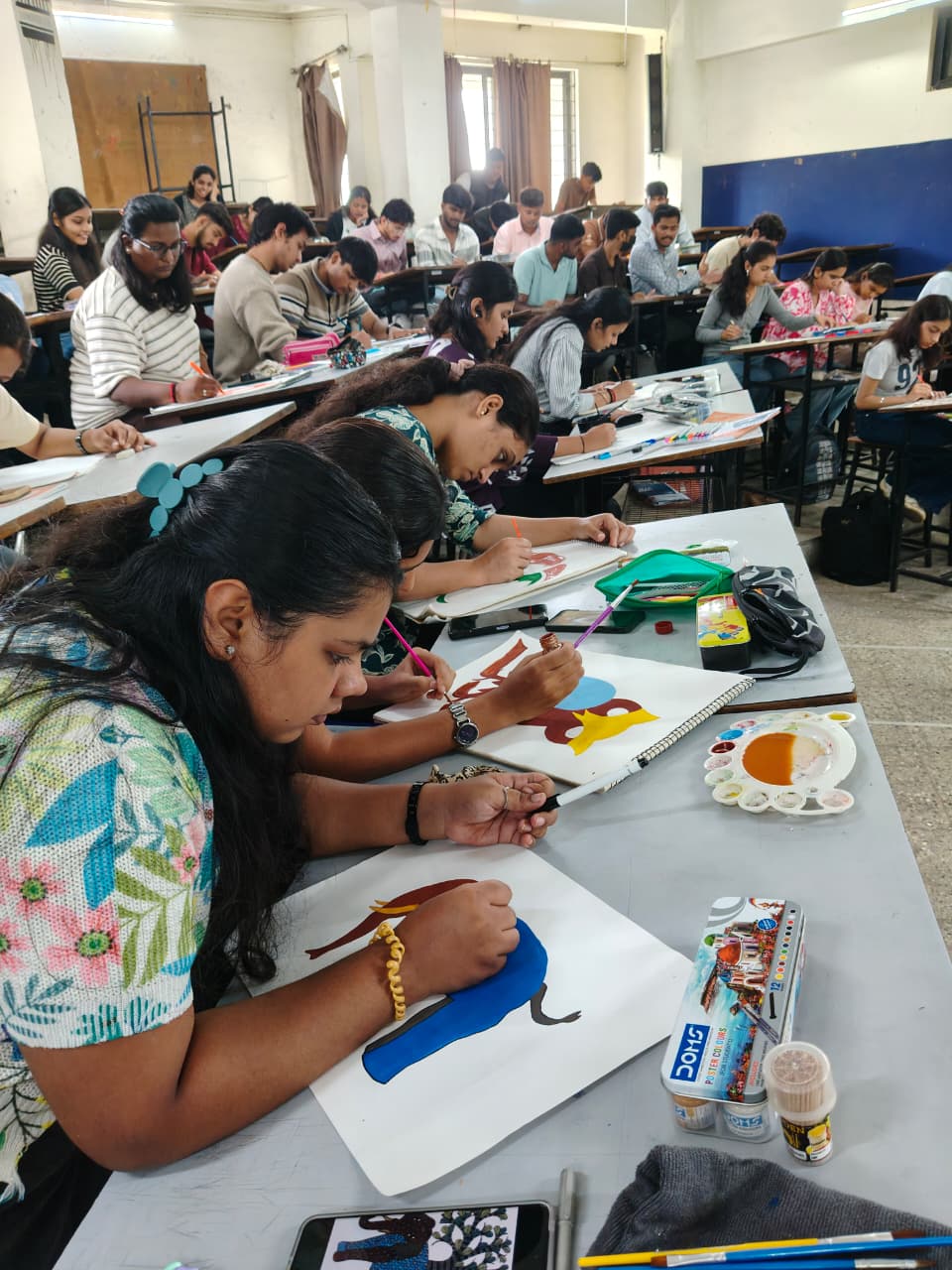
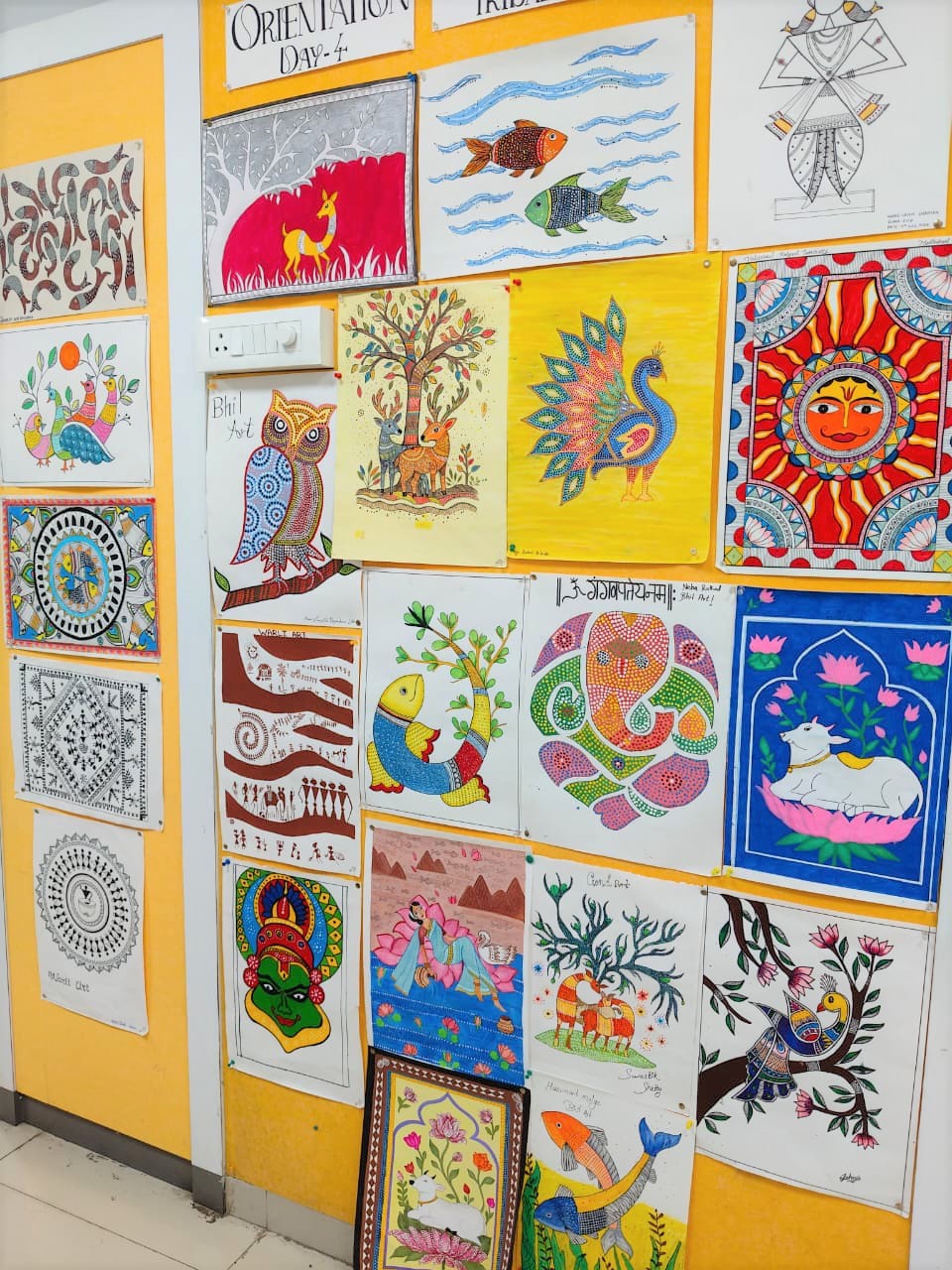
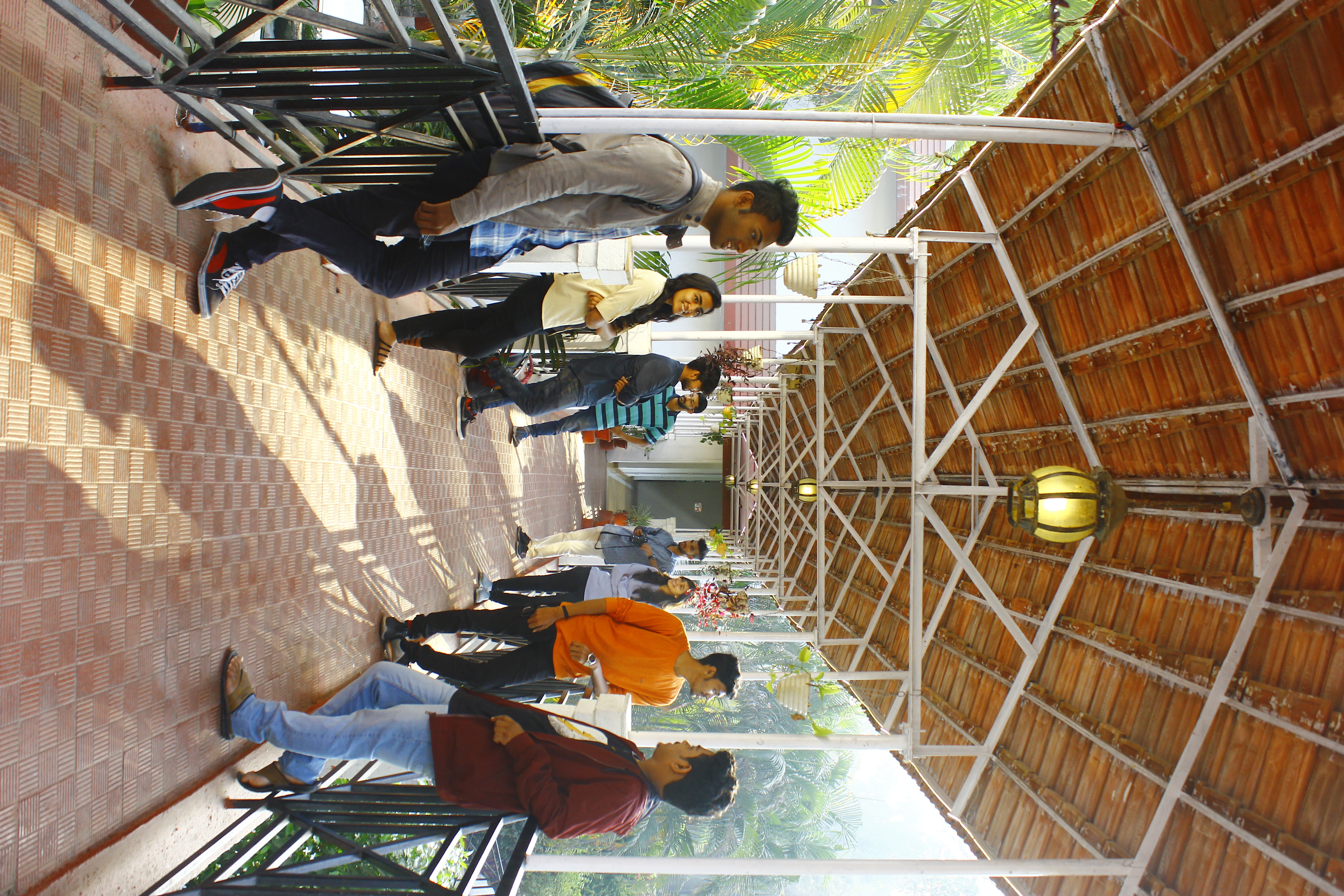
The Induction Program for Interior Design Students is essential to help students understand the course, the profession, academic expectations, and the creative environment of the institute. It provides a smooth transition from school or previous education into professional design education.
The induction program should enable students to understand the course, develop confidence, discover their creativity, become familiar with the design process, and begin their journey towards becoming professional interior designers. It also helps establish a positive relationship between students, faculty, and the institution from the beginning of the academic year.
Induction Program Gallery
Study Tour
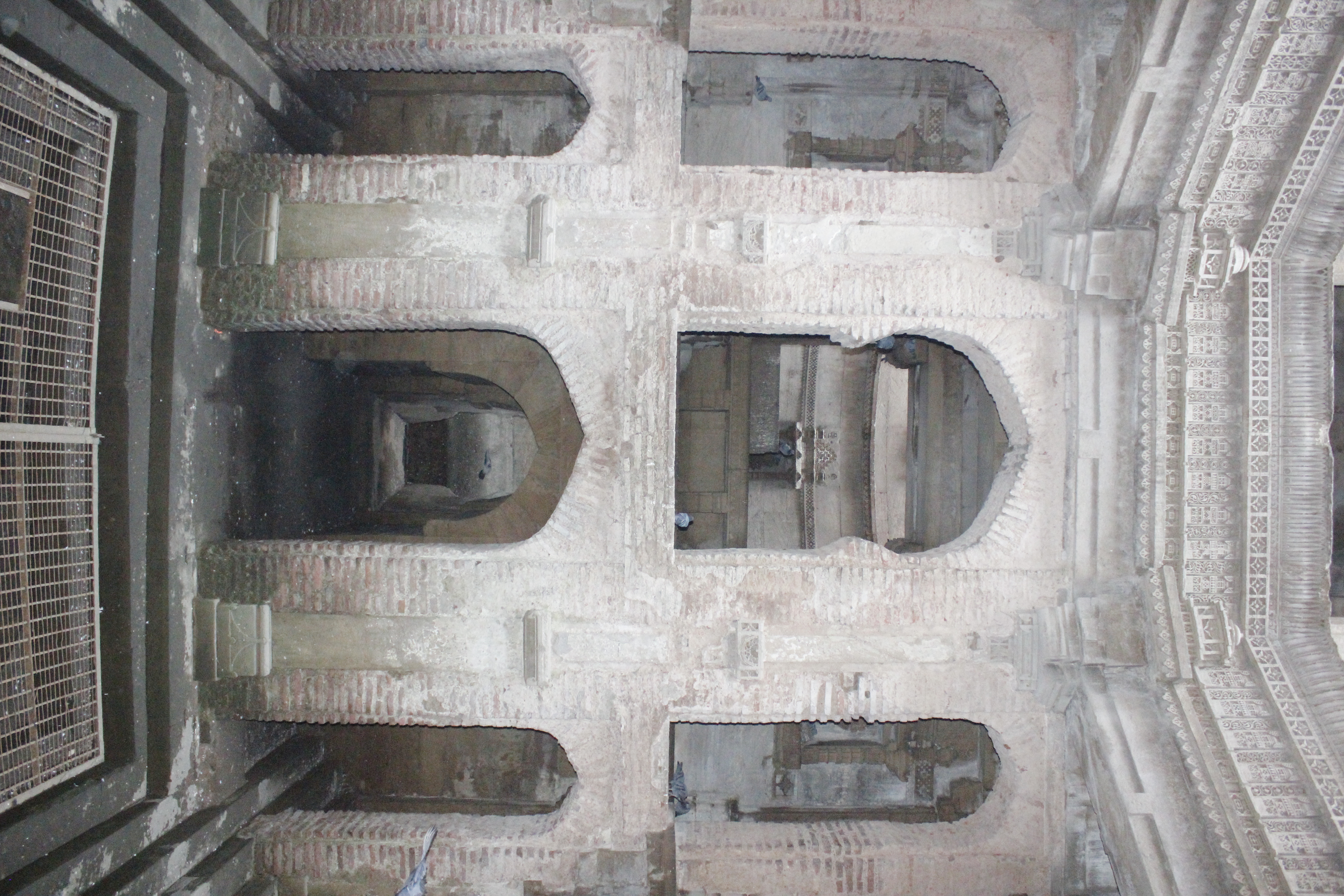
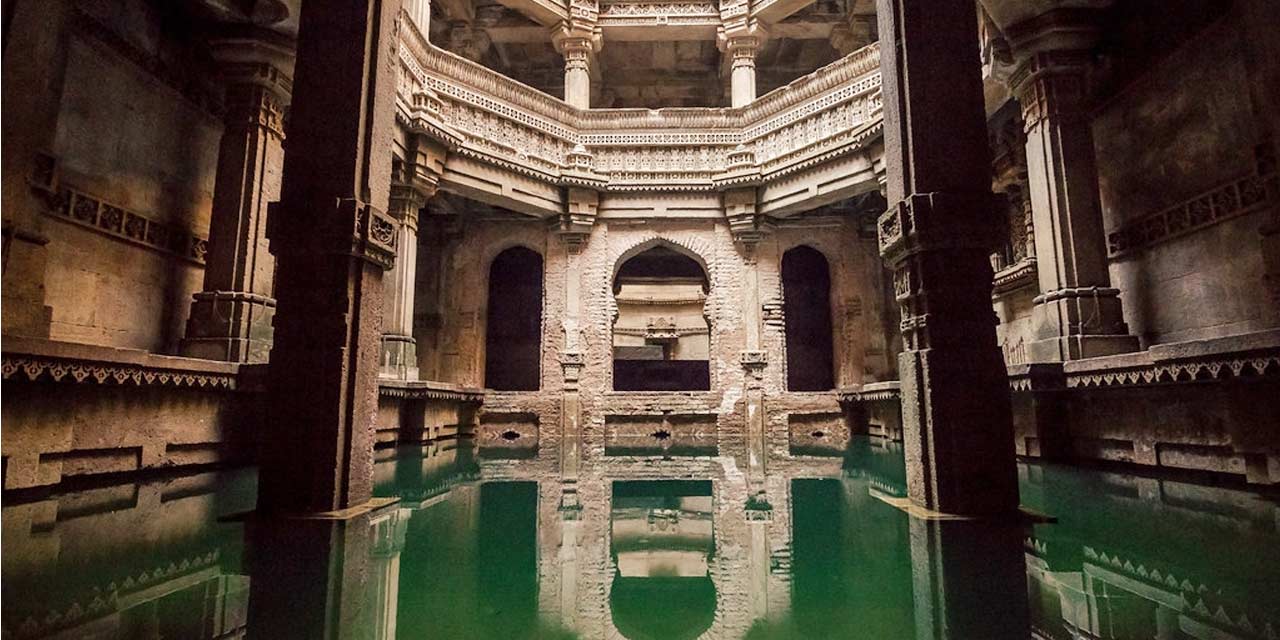
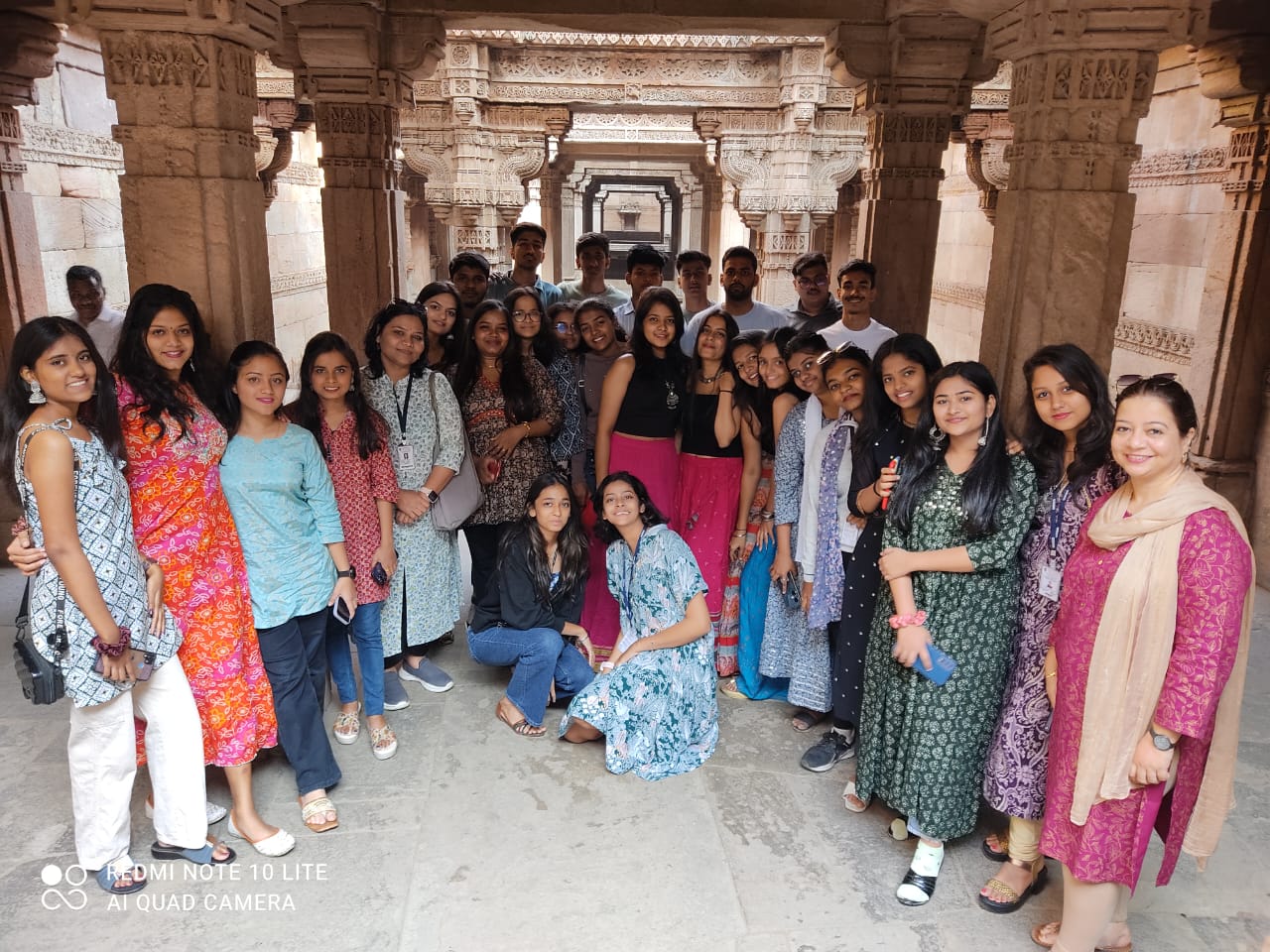
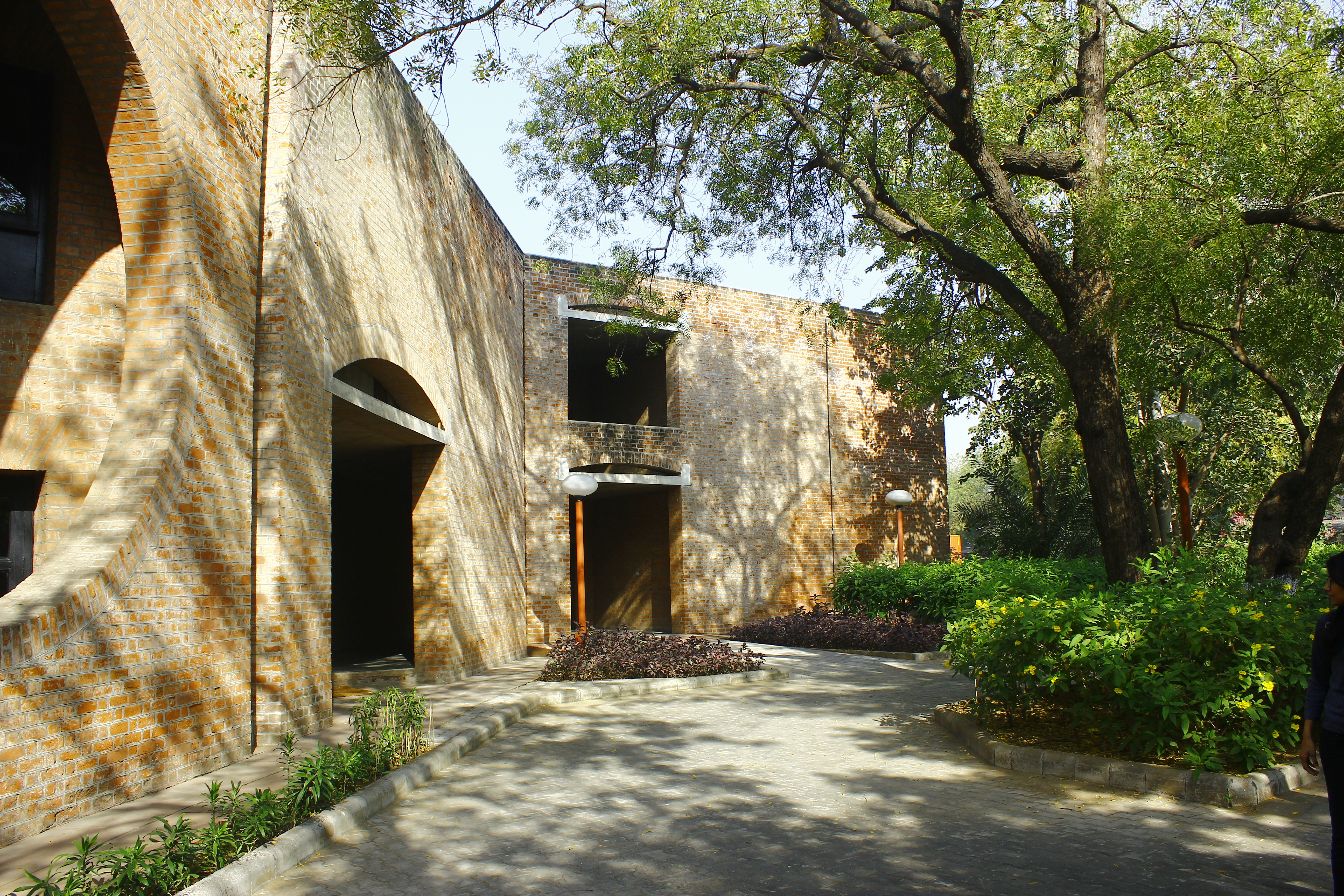
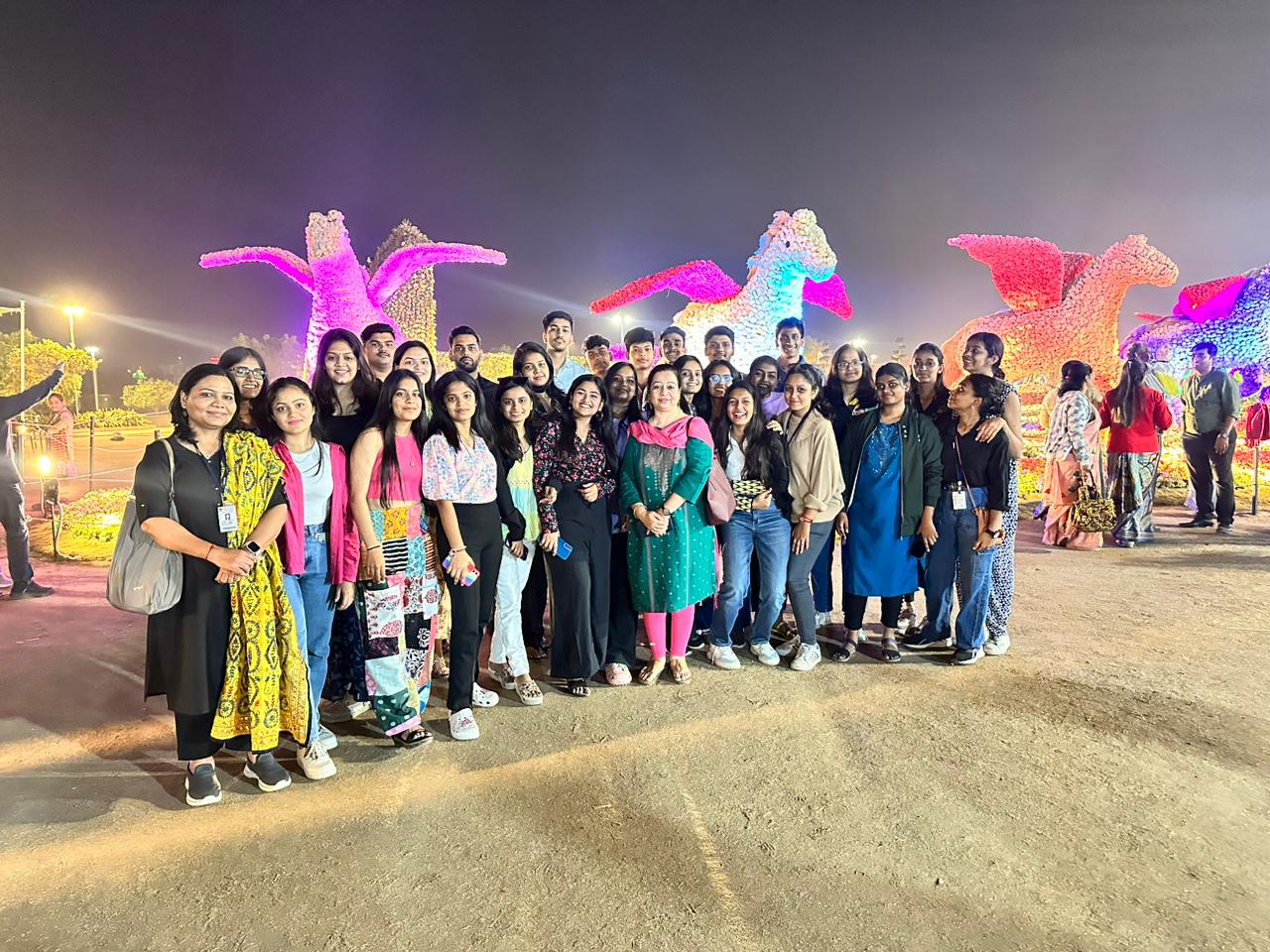
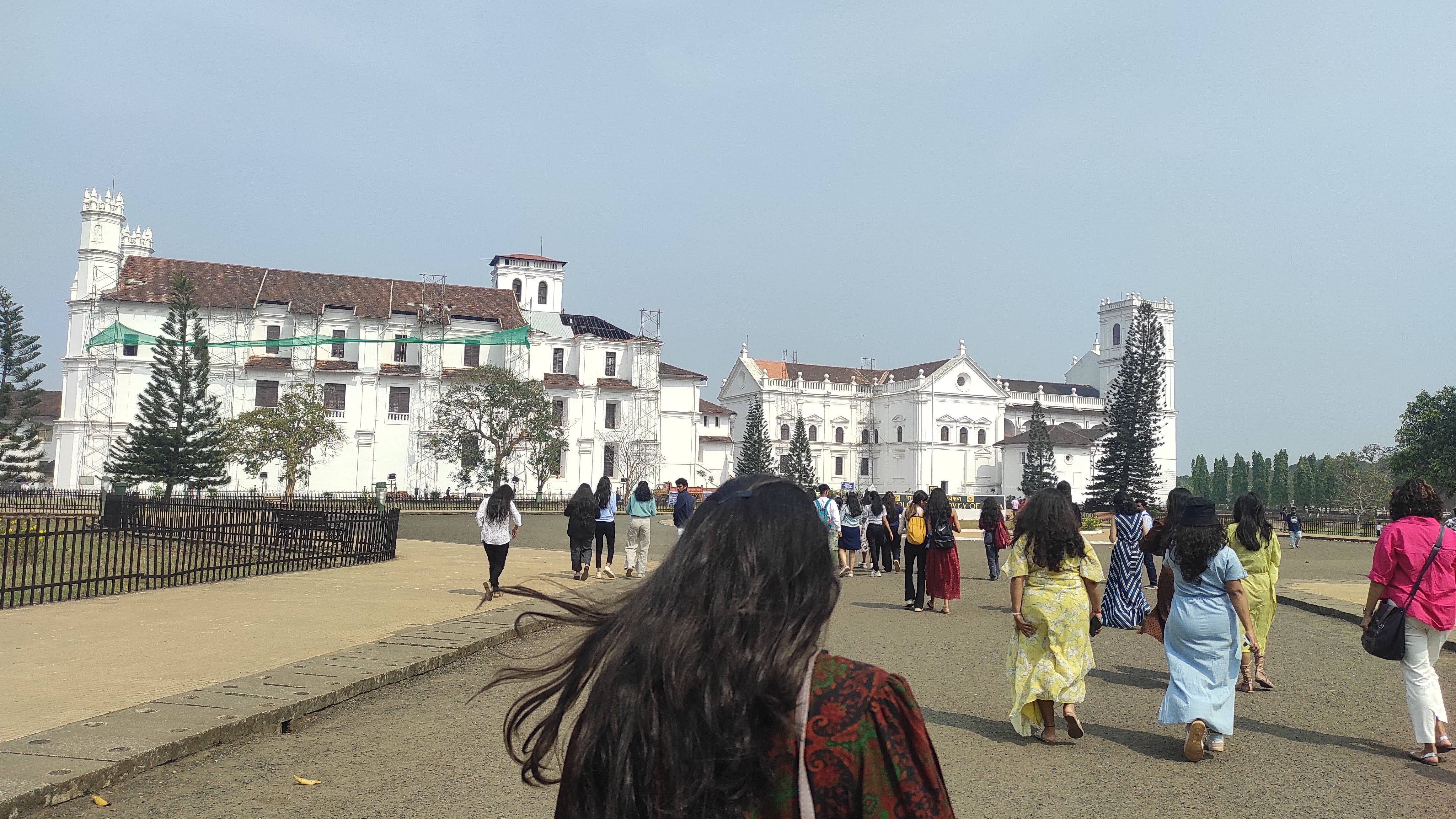
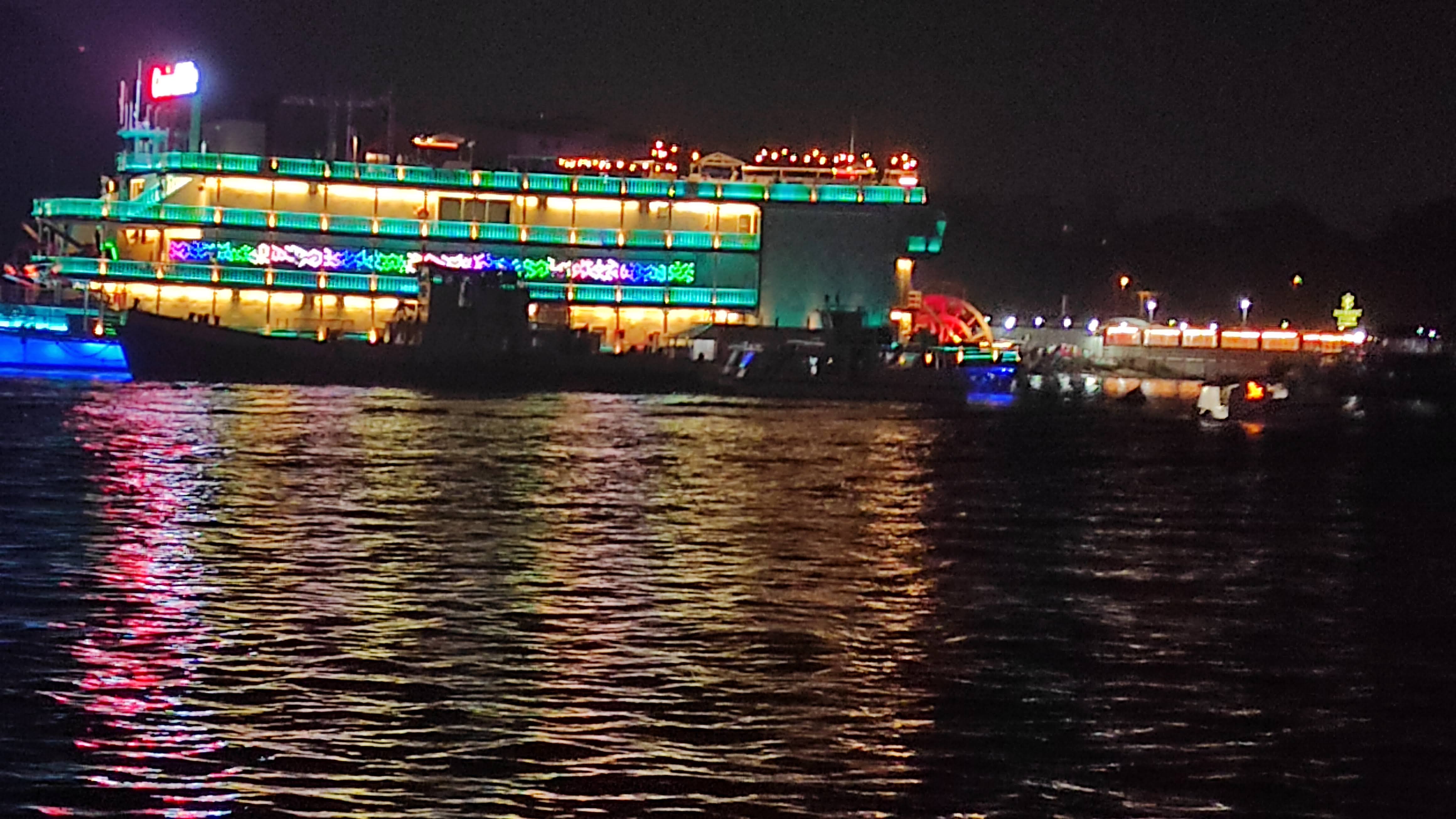
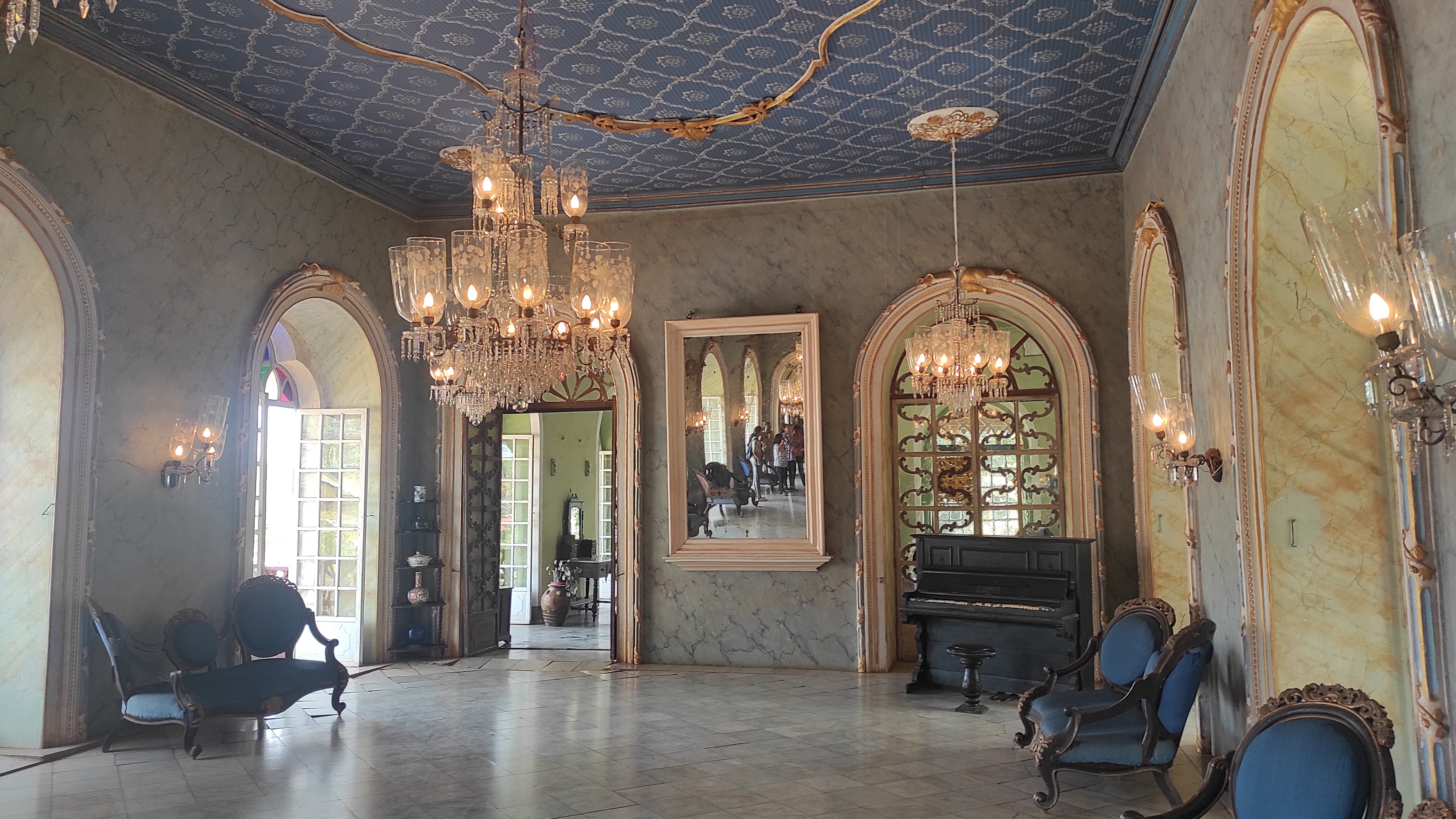
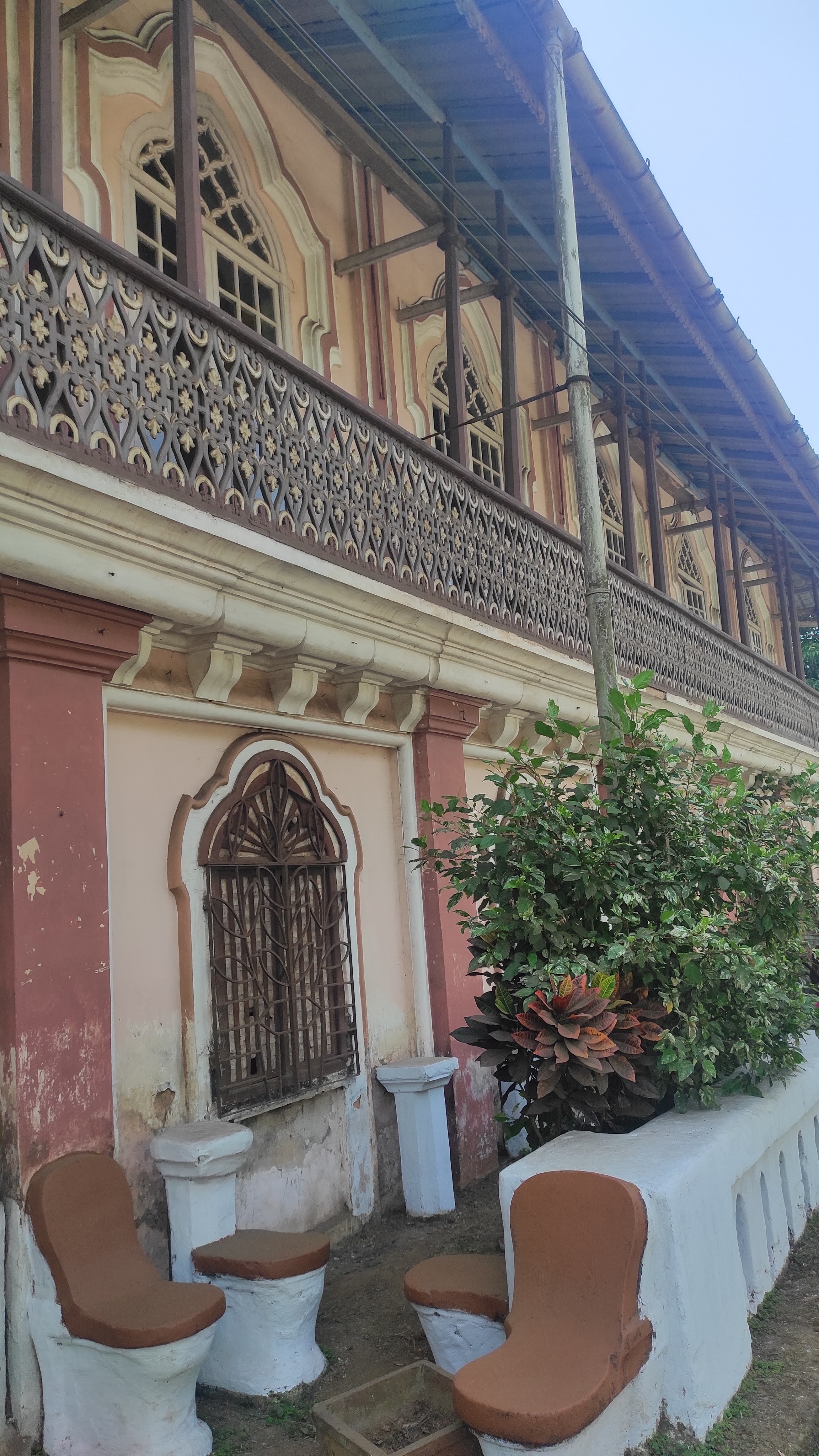
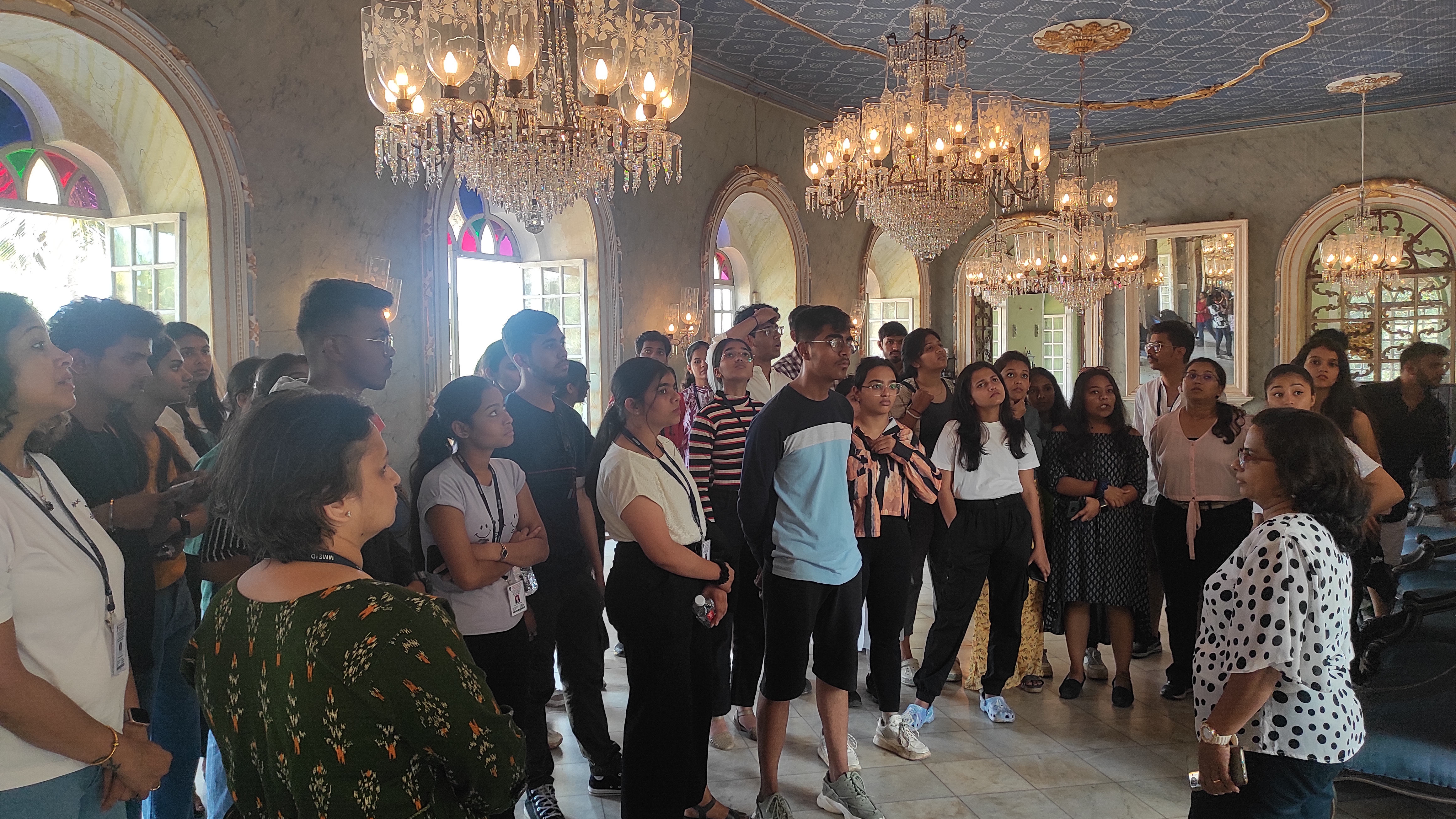
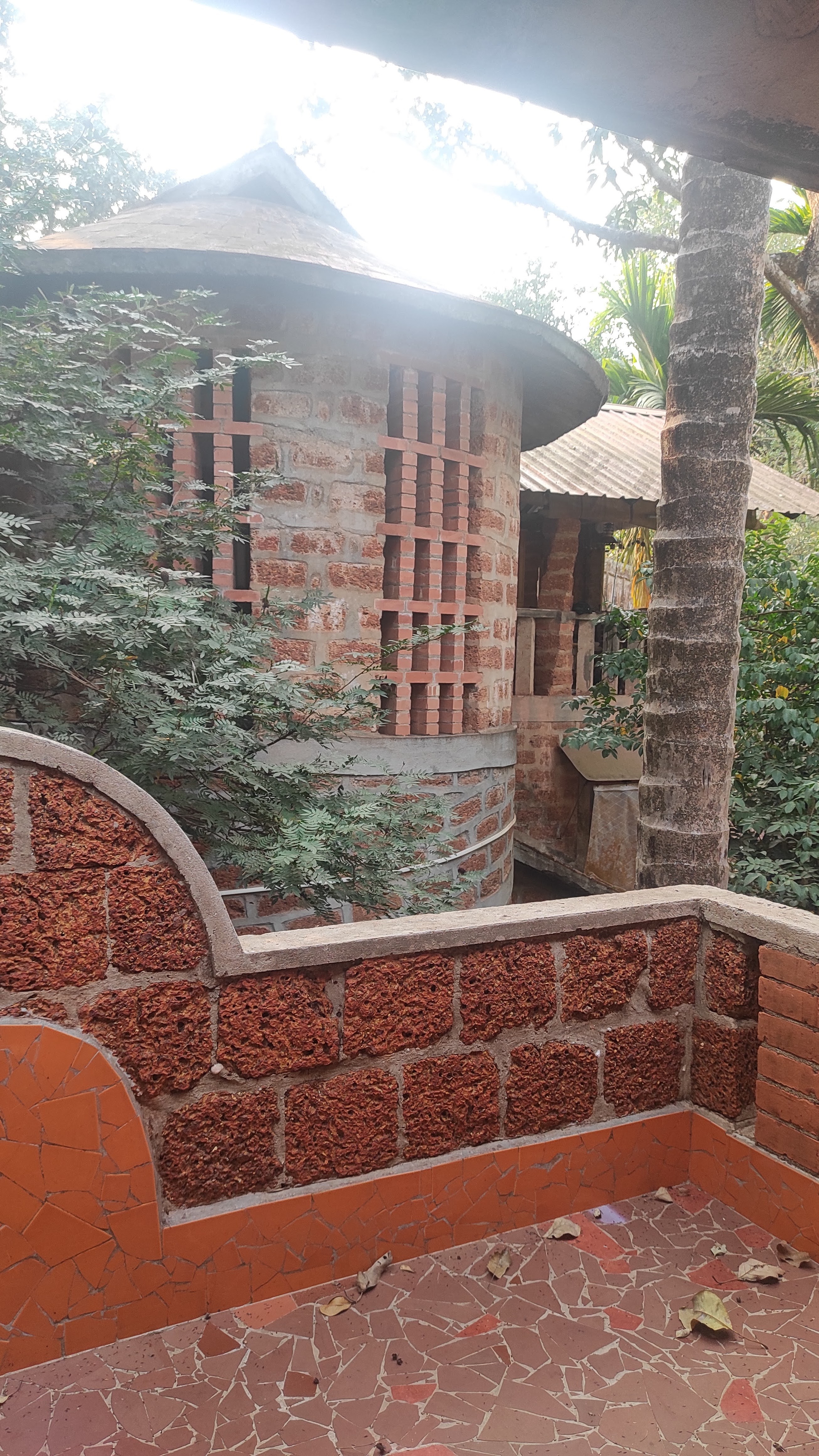
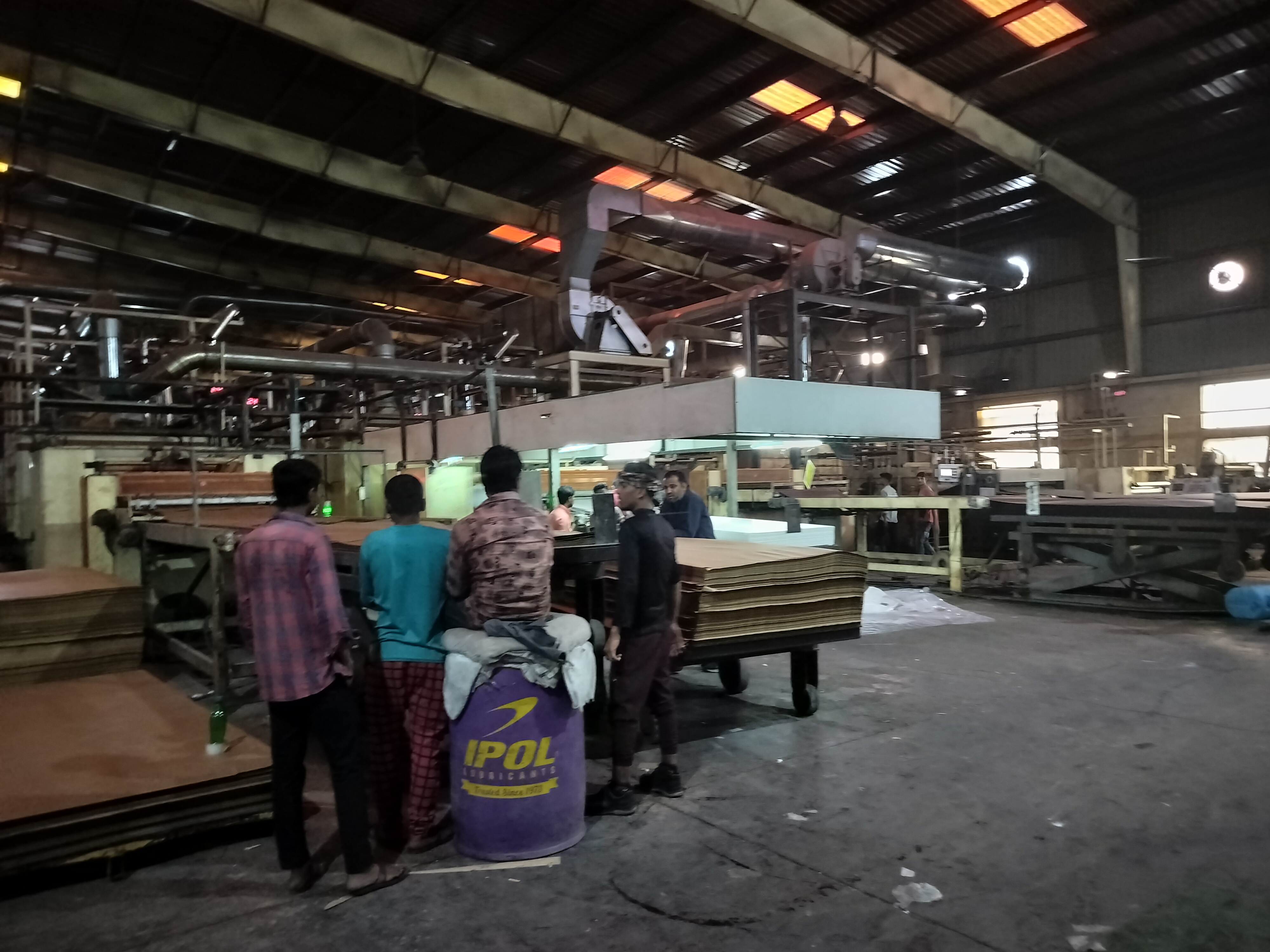
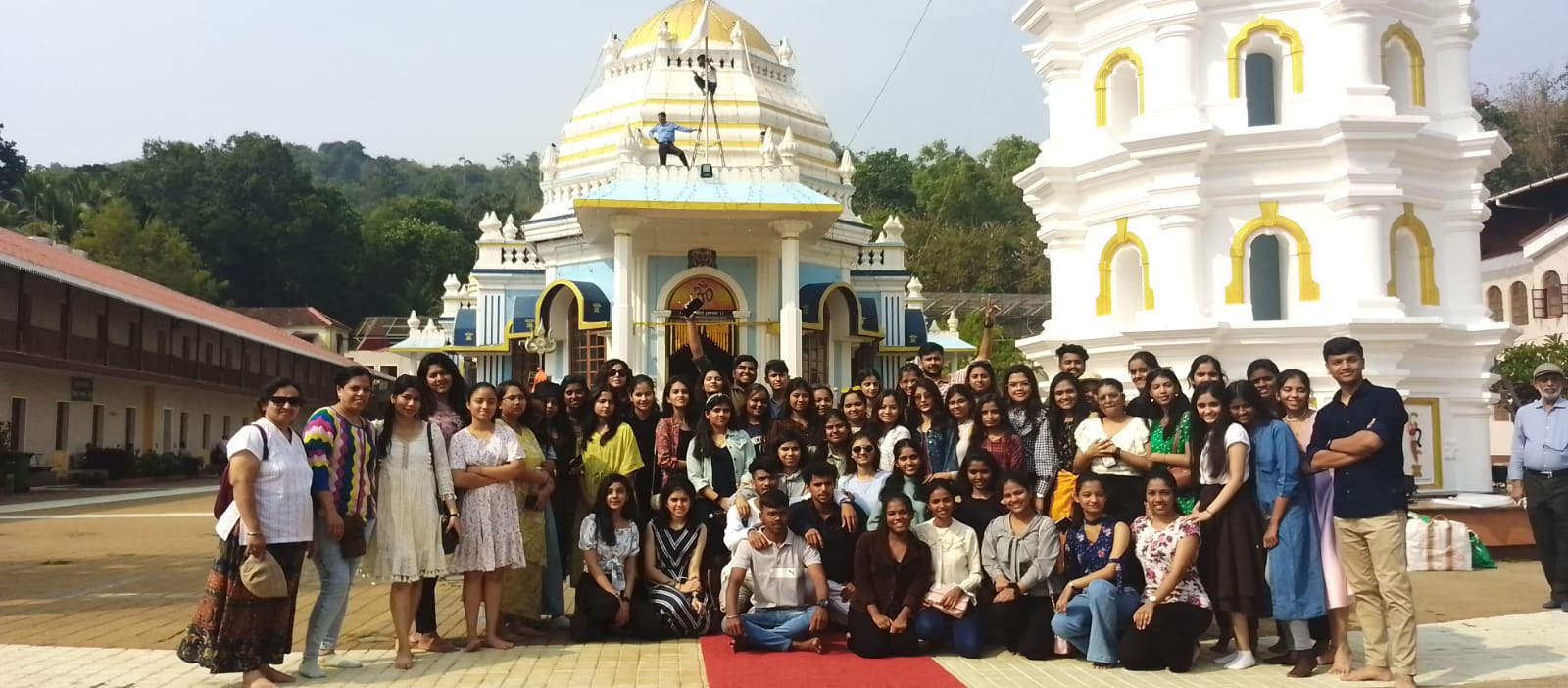
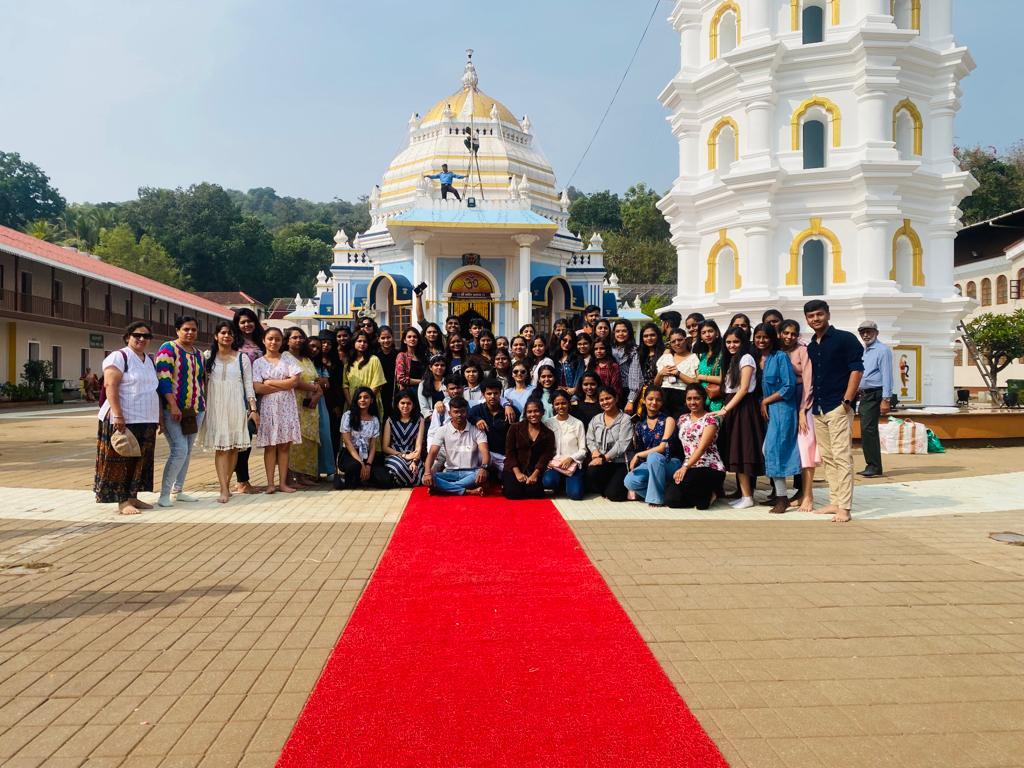
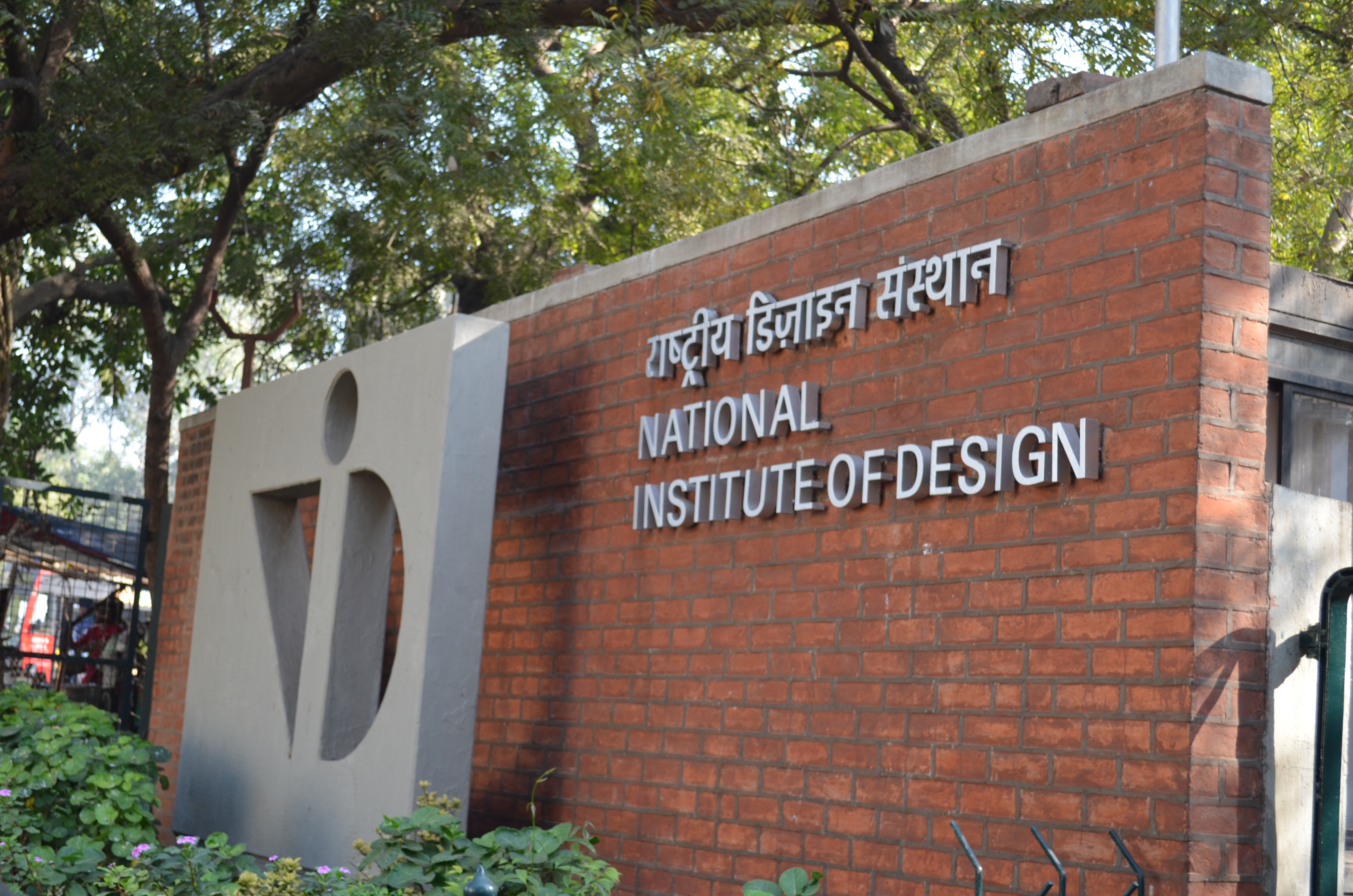
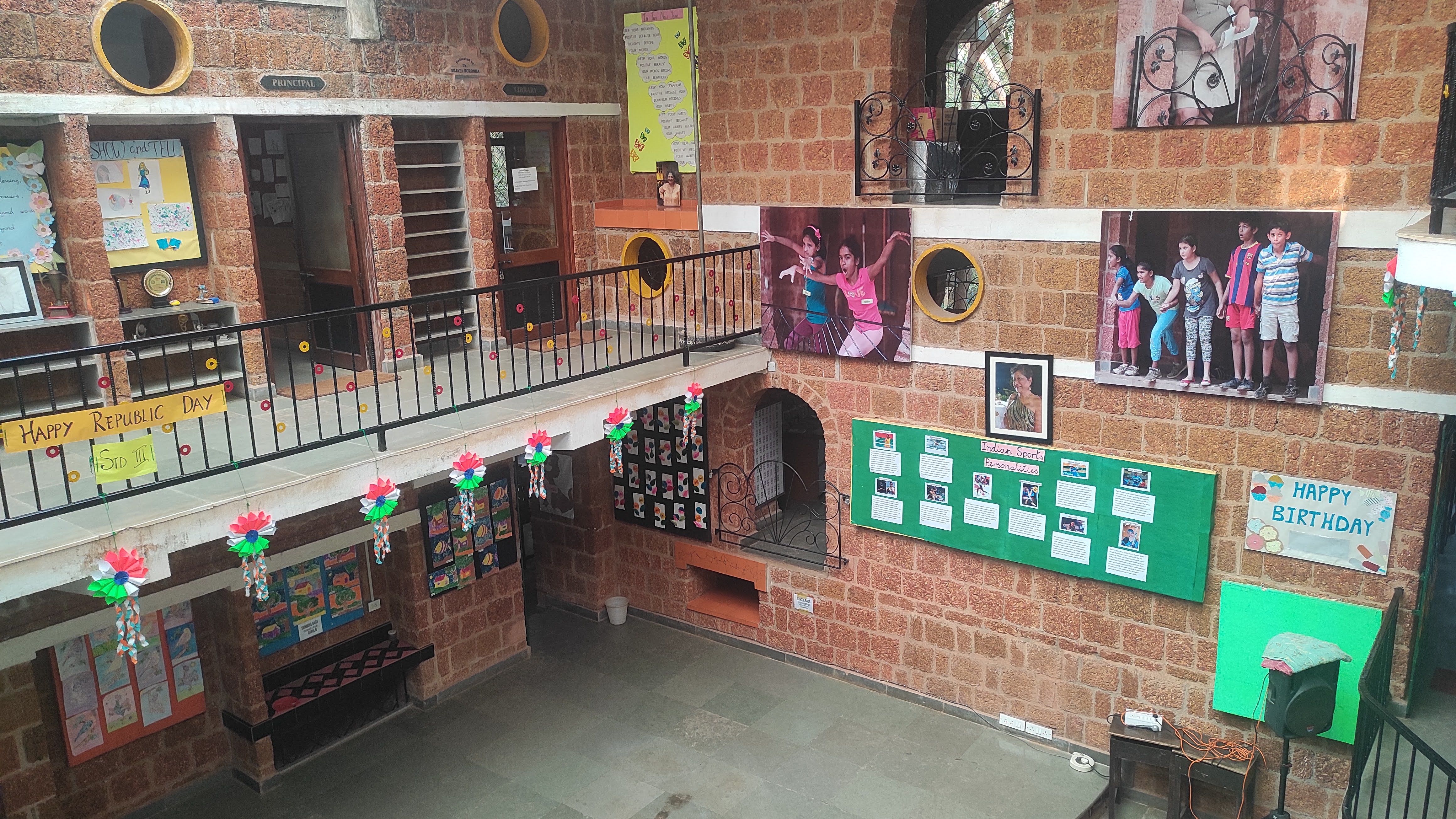
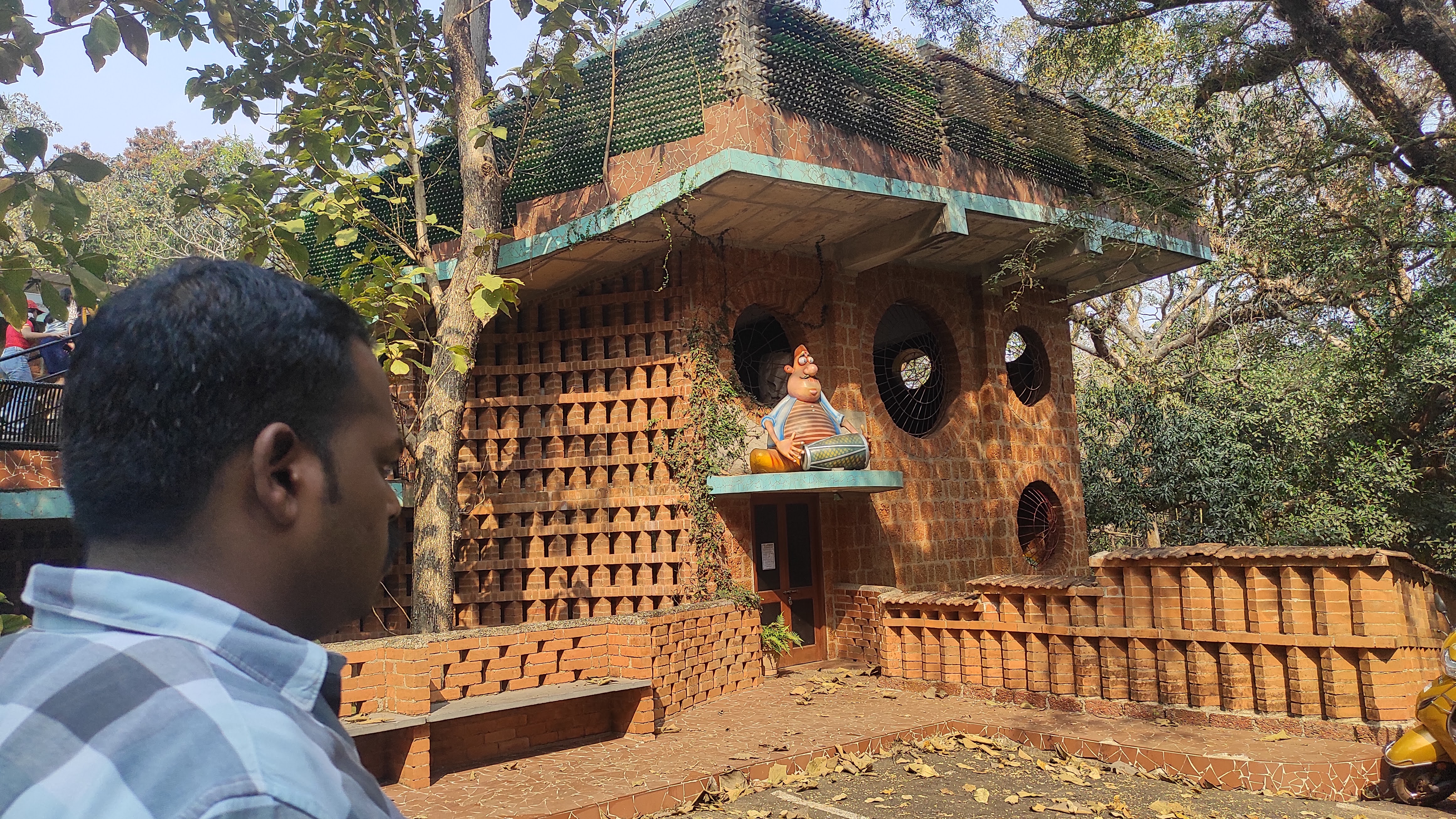
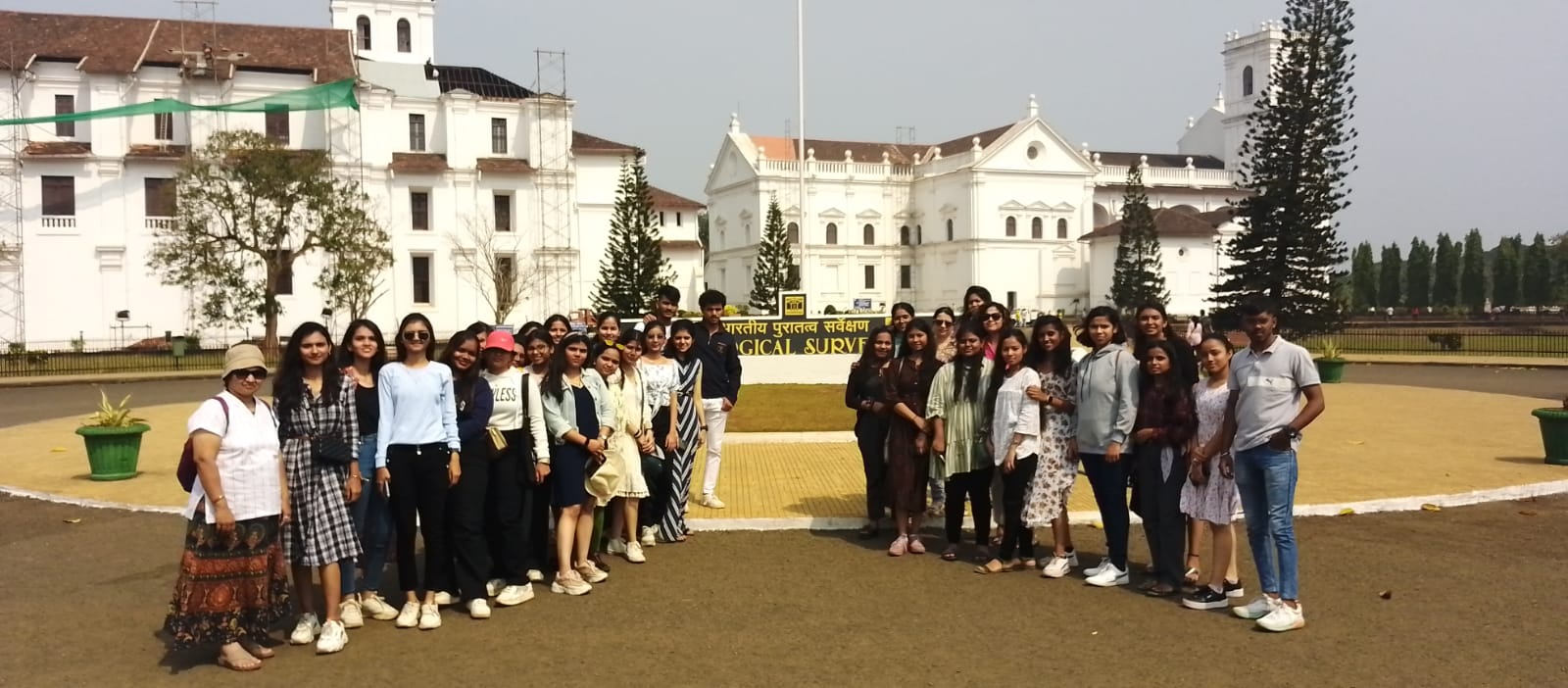
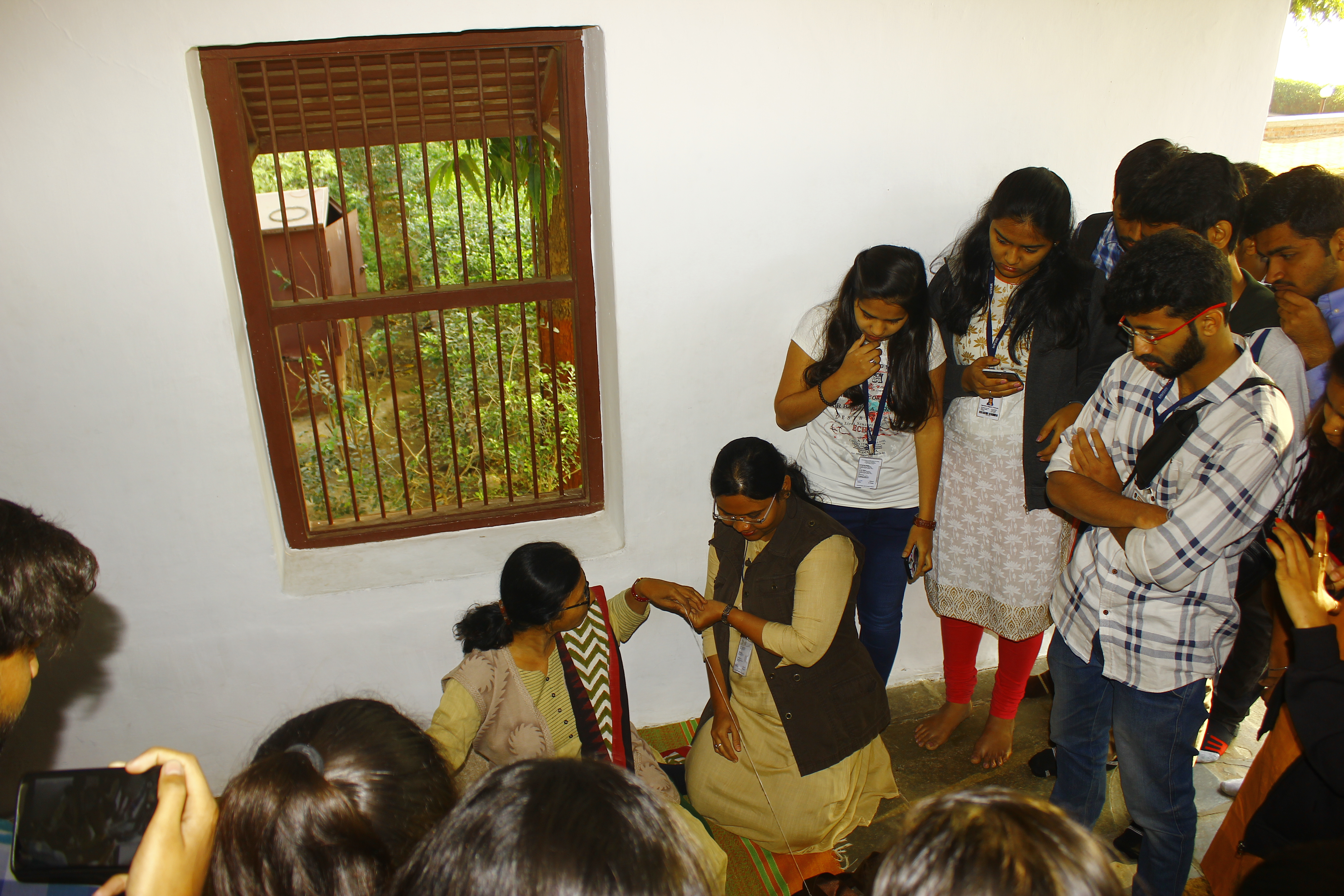
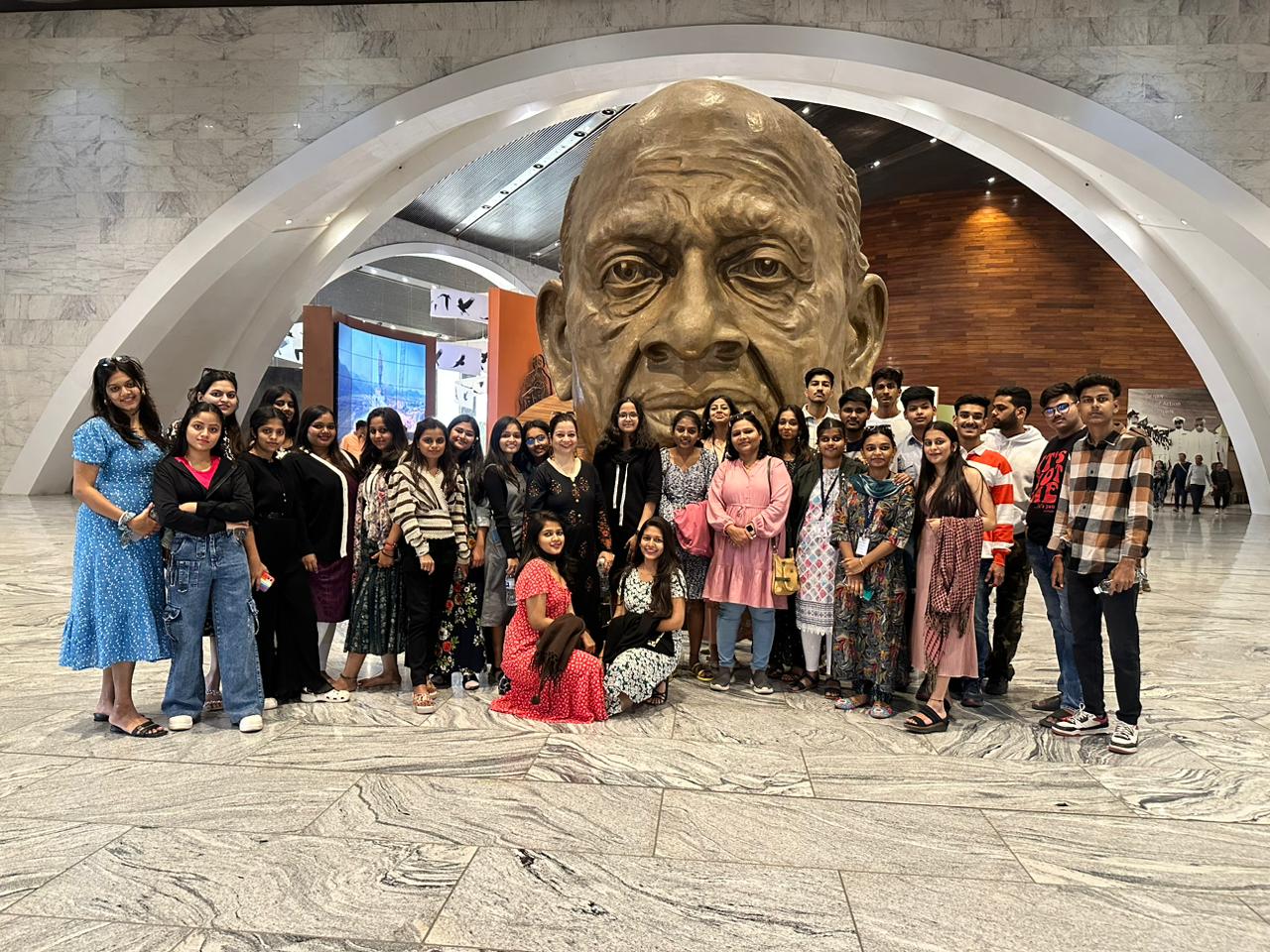
The Department of Interior Design organizes educational study tours as an integral part of the learning process. These tours provide students with an opportunity to step beyond the classroom and experience architecture, interiors, traditional crafts, materials, construction techniques, heritage, and contemporary design in real-life settings.
The study tour programme is initiated with the objective of providing students with practical exposure to significant architectural and cultural destinations. Students visit various cities and sites across India, carefully selected to complement their academic curriculum.
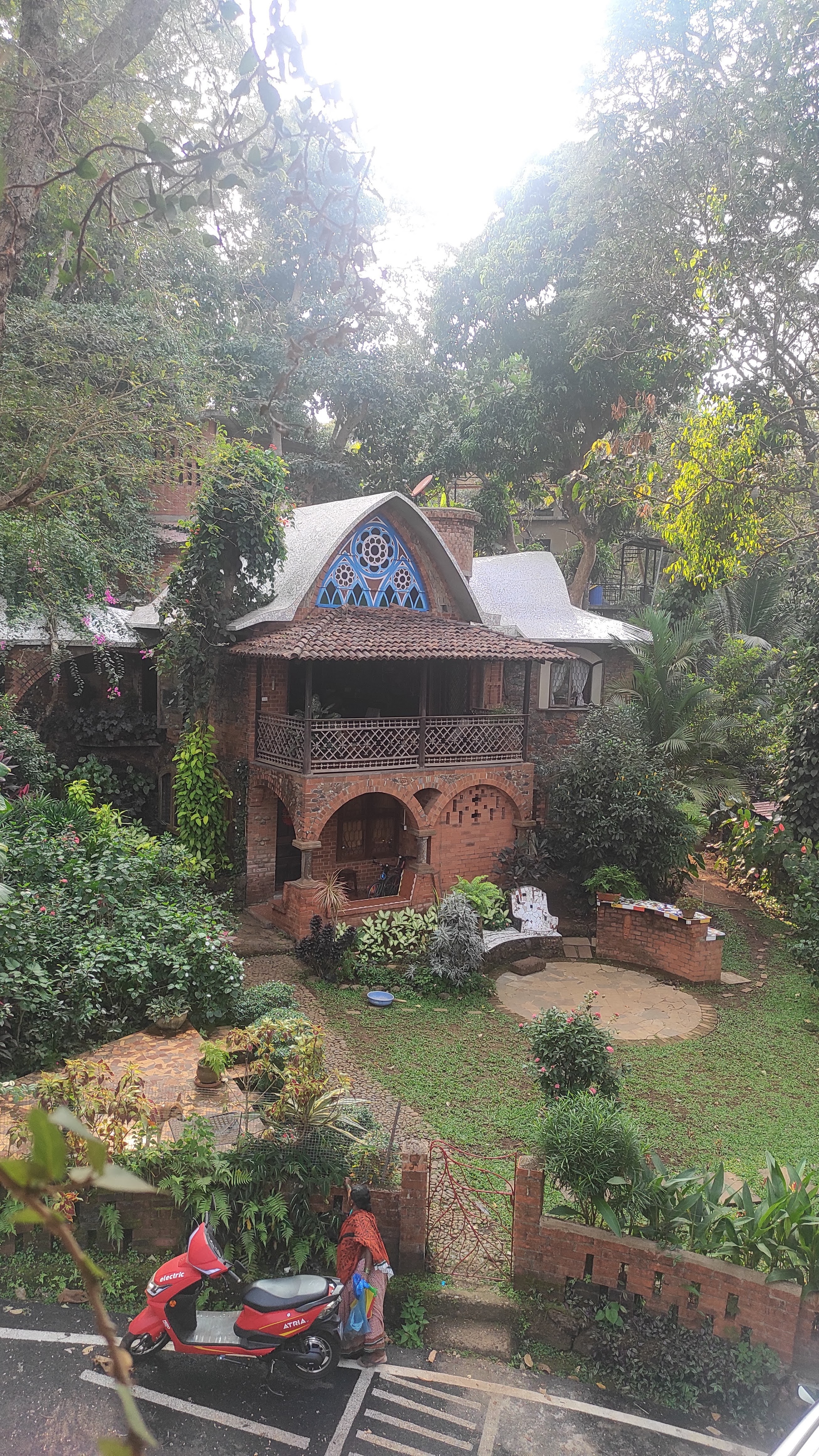
The tours include site visits, architectural and interior case studies, heritage walks, visits to industries and manufacturing units, museums, institutions, hotels, traditional residences, temples, and culturally significant places. Students observe materials, construction methods, spatial planning, furniture, detailing, lighting, traditional design elements, and contemporary applications.
The study tours maintain a balance between academic learning and cultural exploration, enabling students to understand India’s diverse architectural heritage while developing observation, documentation, analytical, and design skills.
Through these experiences, students gain a deeper understanding of the relationship between people, culture, materials, architecture, and interior spaces. The study tour continues to be an important component of the Interior Design programme, transforming classroom learning into meaningful real-world experiences.
Study Tour Gallery
Grooming & Student Development Sessions
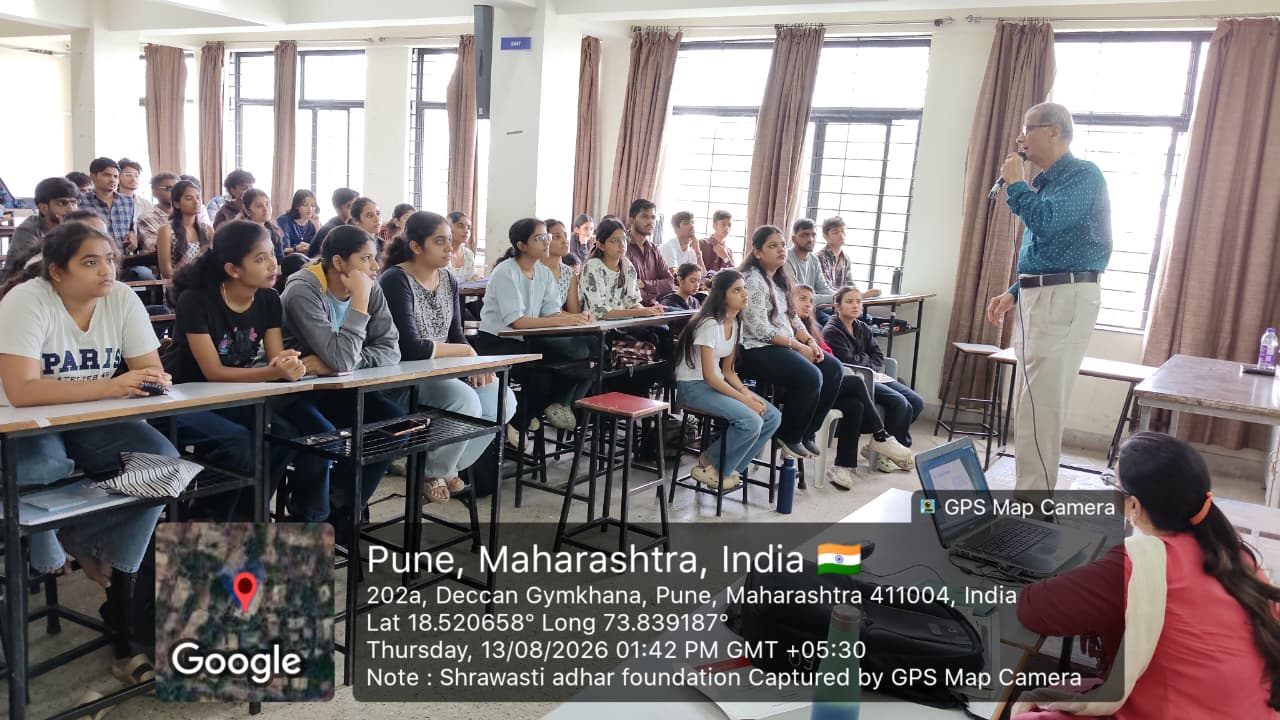
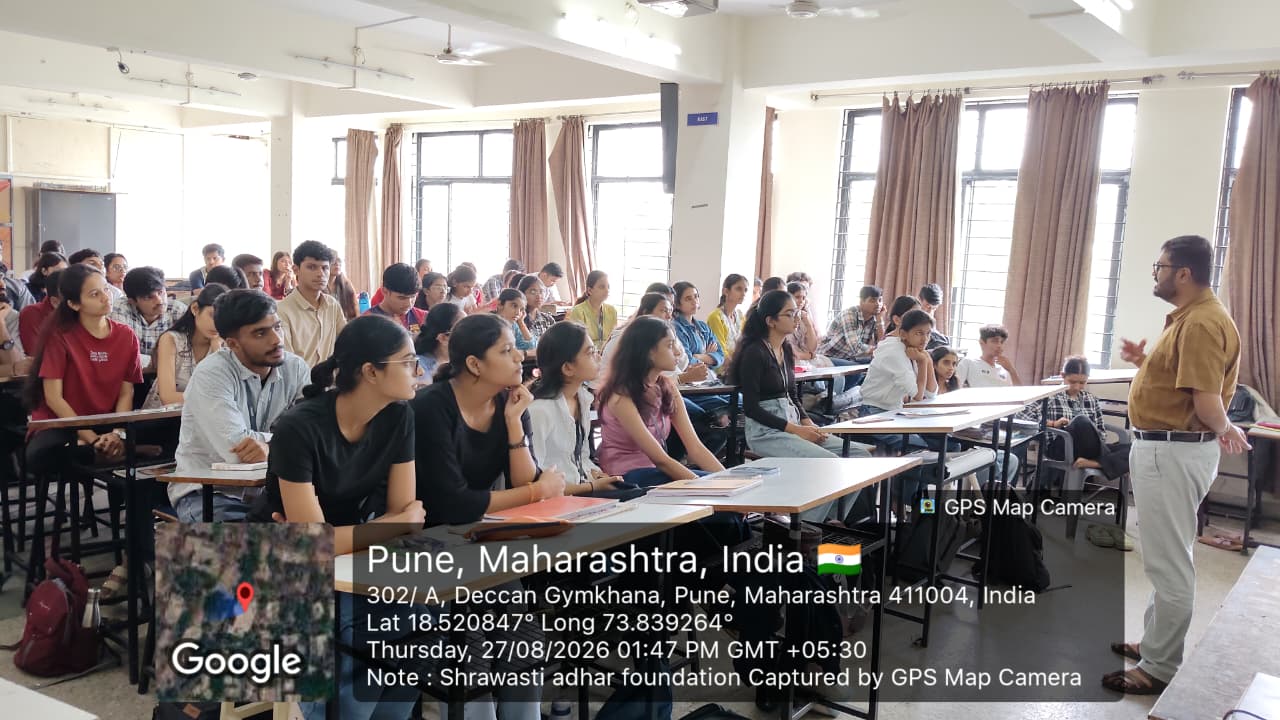
MMSID regularly organises grooming and student development sessions to support students’ overall well-being and personal growth. Interactive lectures and awareness sessions are conducted on important topics such as Cyber Security, Personal Health & Hygiene, Stress Management, and Time Management.
These sessions help students to develop awareness, confidence, healthy habits, responsible digital practices, and effective time-management skills, preparing them for both academic success and professional life.
Grooming Session Gallery
Student’s Social Connect
Social Activities for Interior Design Students
Social activities provide students with opportunities to connect with the community, understand social needs, and develop a sense of responsibility, empathy, teamwork, and social awareness. For Interior Design students, these activities also help them understand how design can contribute positively to society.
Social activities enable Interior Design students to understand that design is not only about aesthetics but also about people, functionality, accessibility, sustainability, and community well-being. Such experiences help students become responsible and socially conscious design professionals.
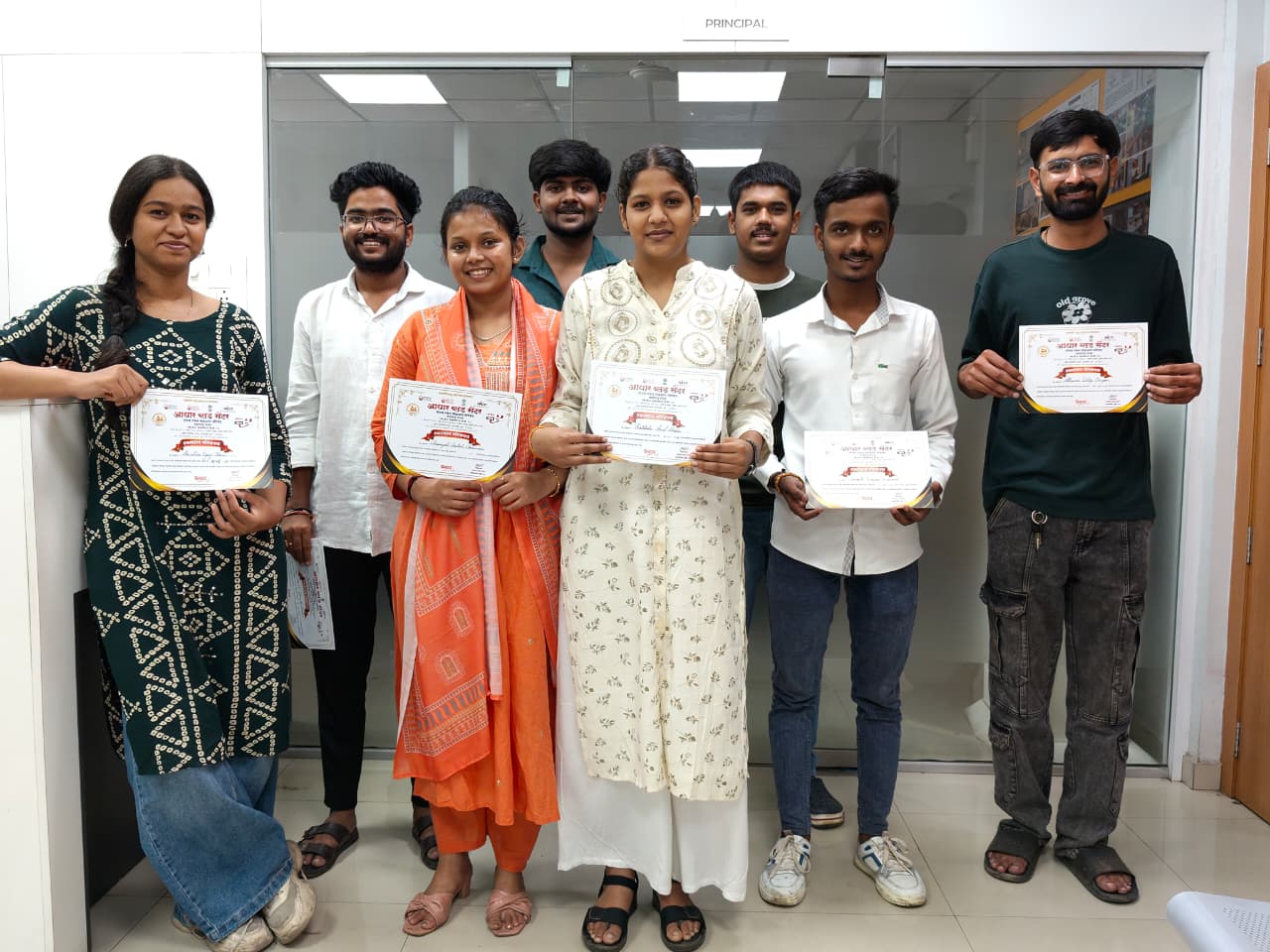
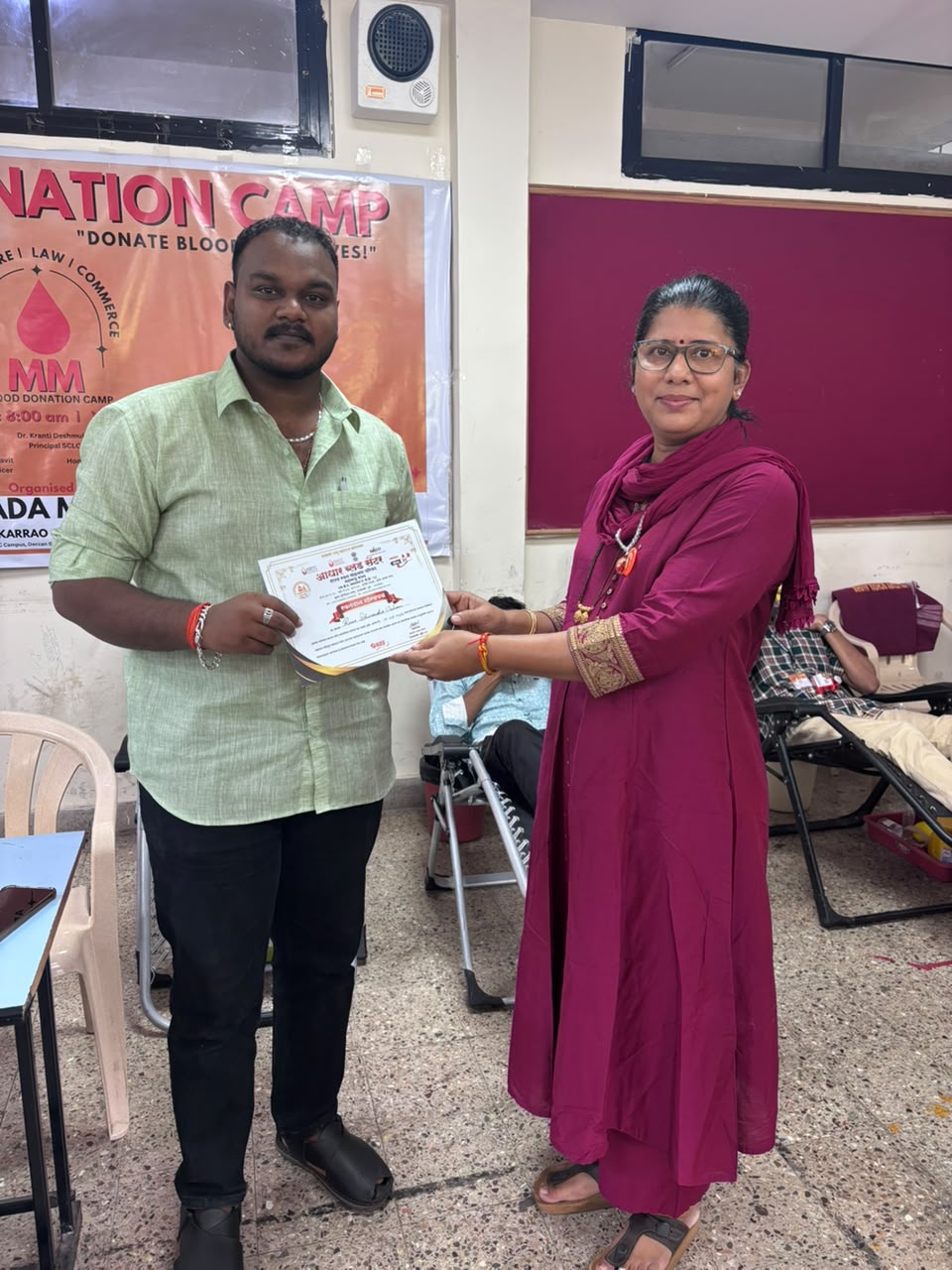
Blood Donation
A Blood Donation Camp is an important social connect activity that encourages students to contribute to society and understand their responsibility towards the community. Organising such a camp provides students with an opportunity to participate in a meaningful social initiative and create awareness about the importance of voluntary blood donation.
Through this activity, students develop social responsibility, empathy, teamwork, leadership, and a spirit of community service. It also helps them understand how a small contribution can save lives during medical emergencies, accidents, surgeries, and other critical situations.
A blood donation camp is not only a health-related activity but also a valuable social connect initiative that inspires students to become responsible, compassionate, and socially aware citizens.
Blood Donation Gallery
Enrichment Activities
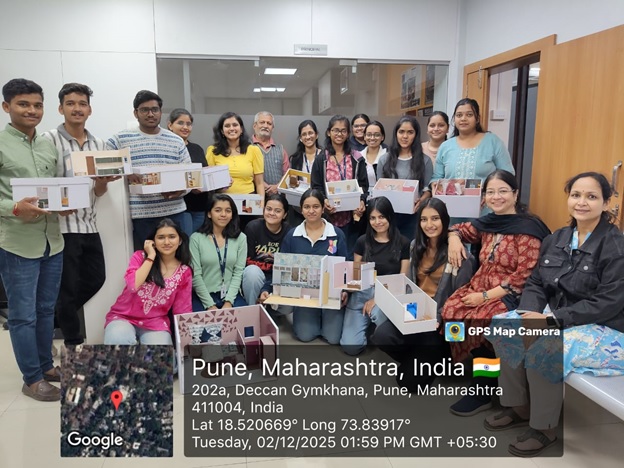
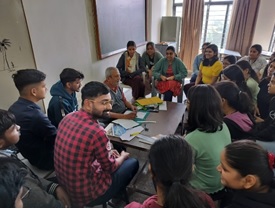
Model Making Workshop
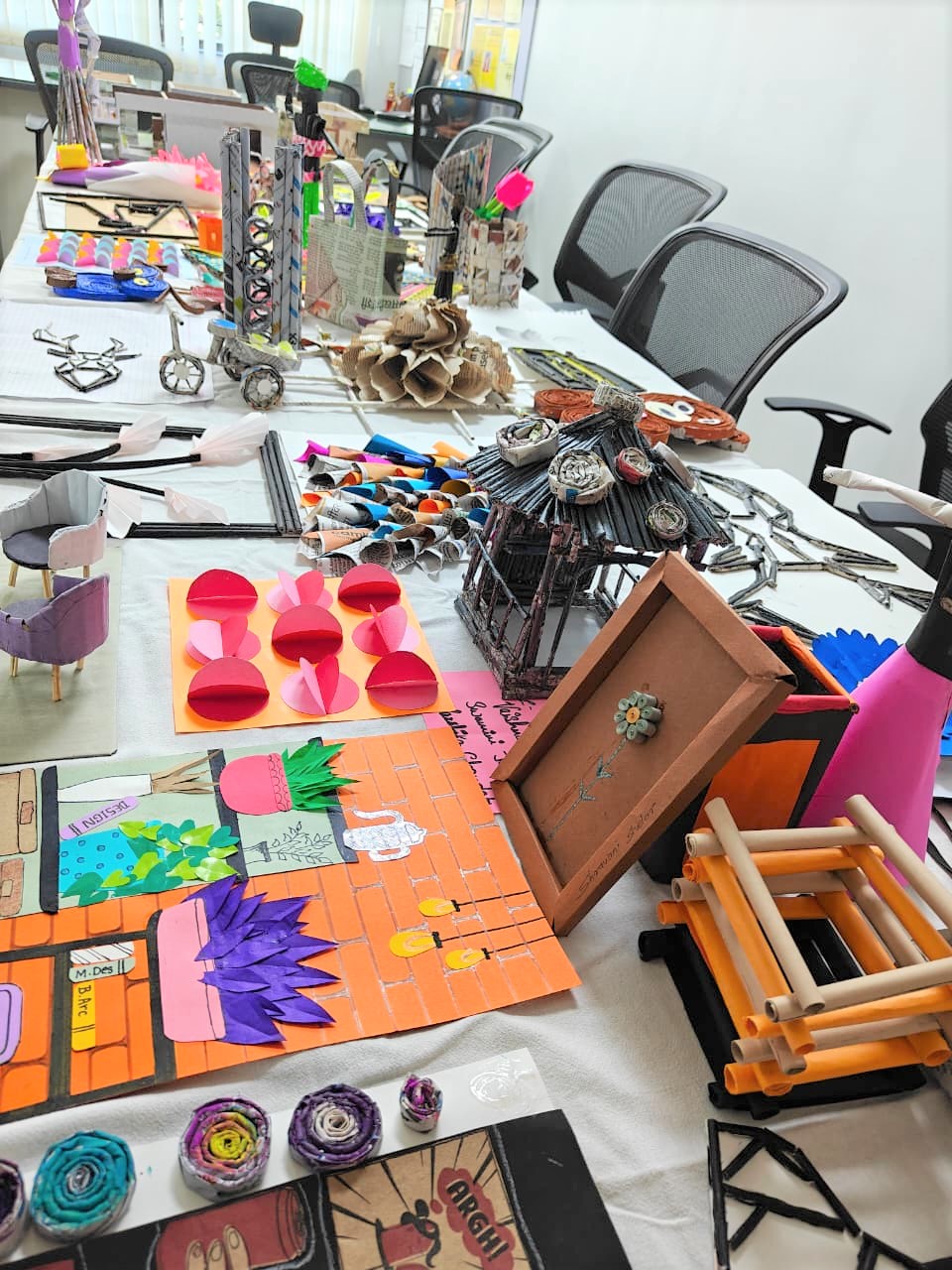
A Model Making Workshop is an essential component of interior design education as it helps students translate their conceptual ideas and drawings into three-dimensional physical forms. The workshop provides practical experience in understanding space, scale, proportion, materials, and construction techniques.
A model making workshop bridges the gap between theoretical knowledge and practical application. It develops students’ creativity, technical ability, spatial understanding, precision, and confidence, making it highly relevant to the professional requirements of interior design.
Model Making Workshop Gallery
Extra-Curricular Activities for Interior Design Students
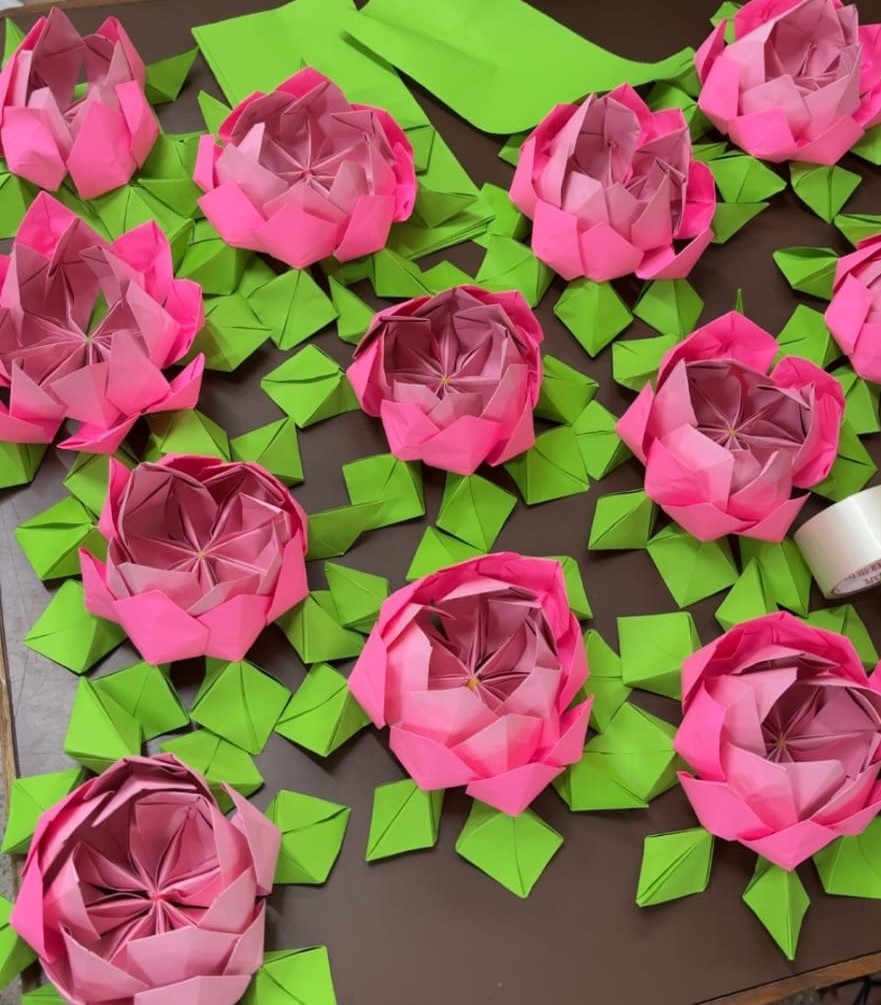
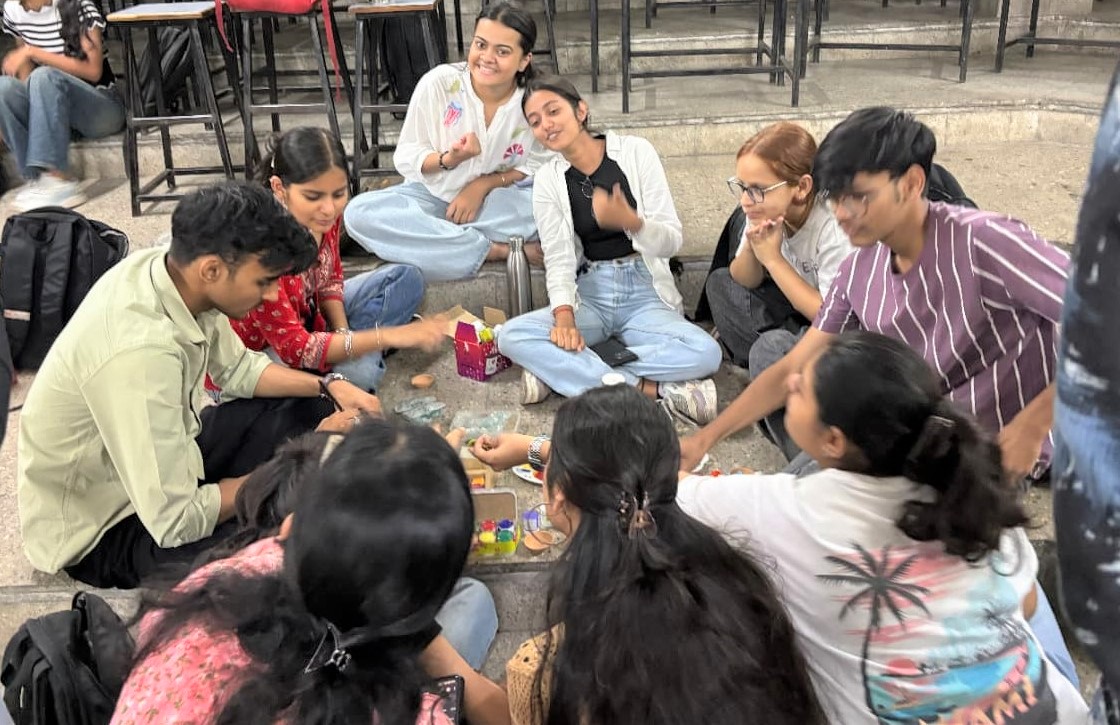
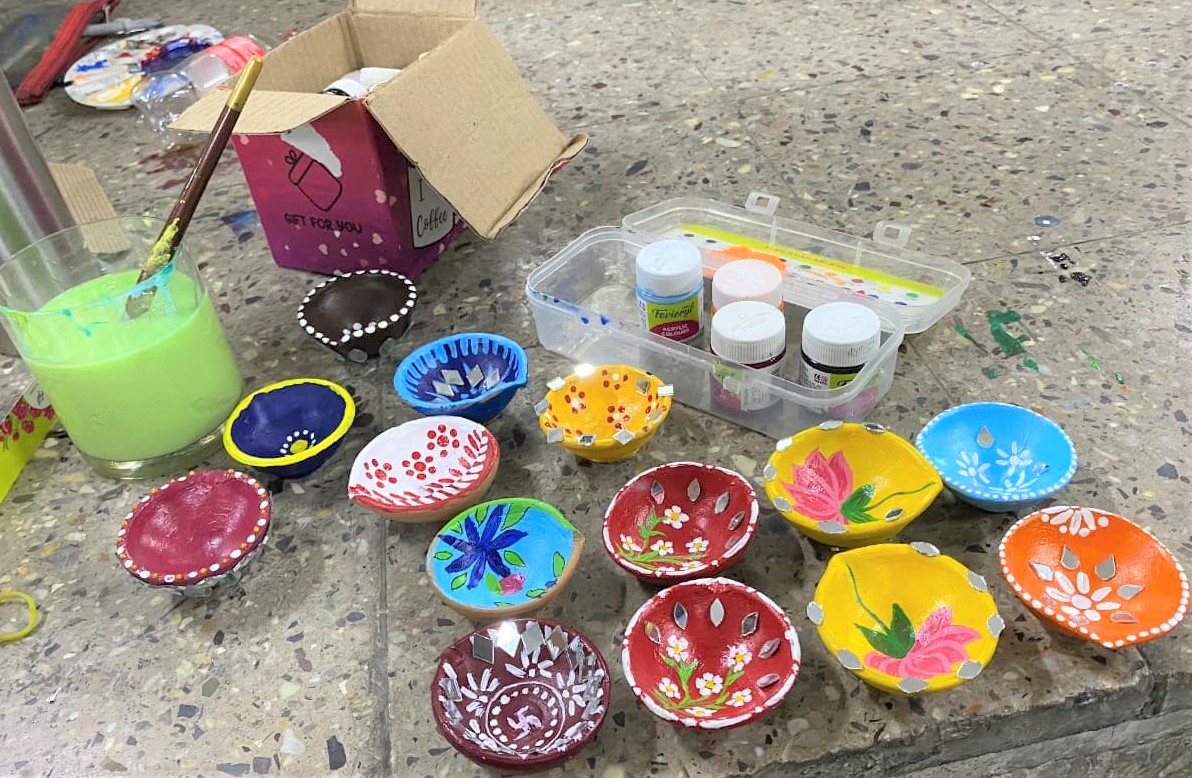
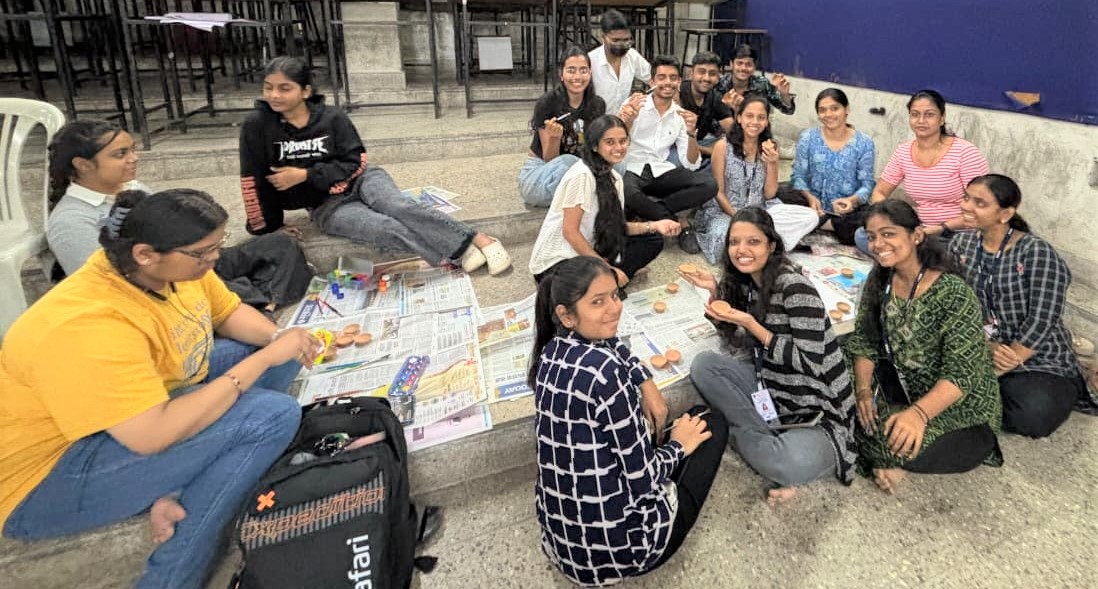
Extra-curricular activities play an important role in the holistic development of Interior Design students. They provide opportunities beyond the regular curriculum to develop creativity, confidence, leadership, communication skills, teamwork, and social awareness.
These activities help students develop creativity, leadership, teamwork, communication, confidence, time management, problem-solving abilities, and social responsibility. They also provide a platform for students to showcase their talents and interests beyond academics.
In Interior Design education, extra-curricular activities help create well-rounded professionals who are not only technically skilled but also creative, confident, expressive, and socially responsible.
Extra-Curricular Activities Gallery